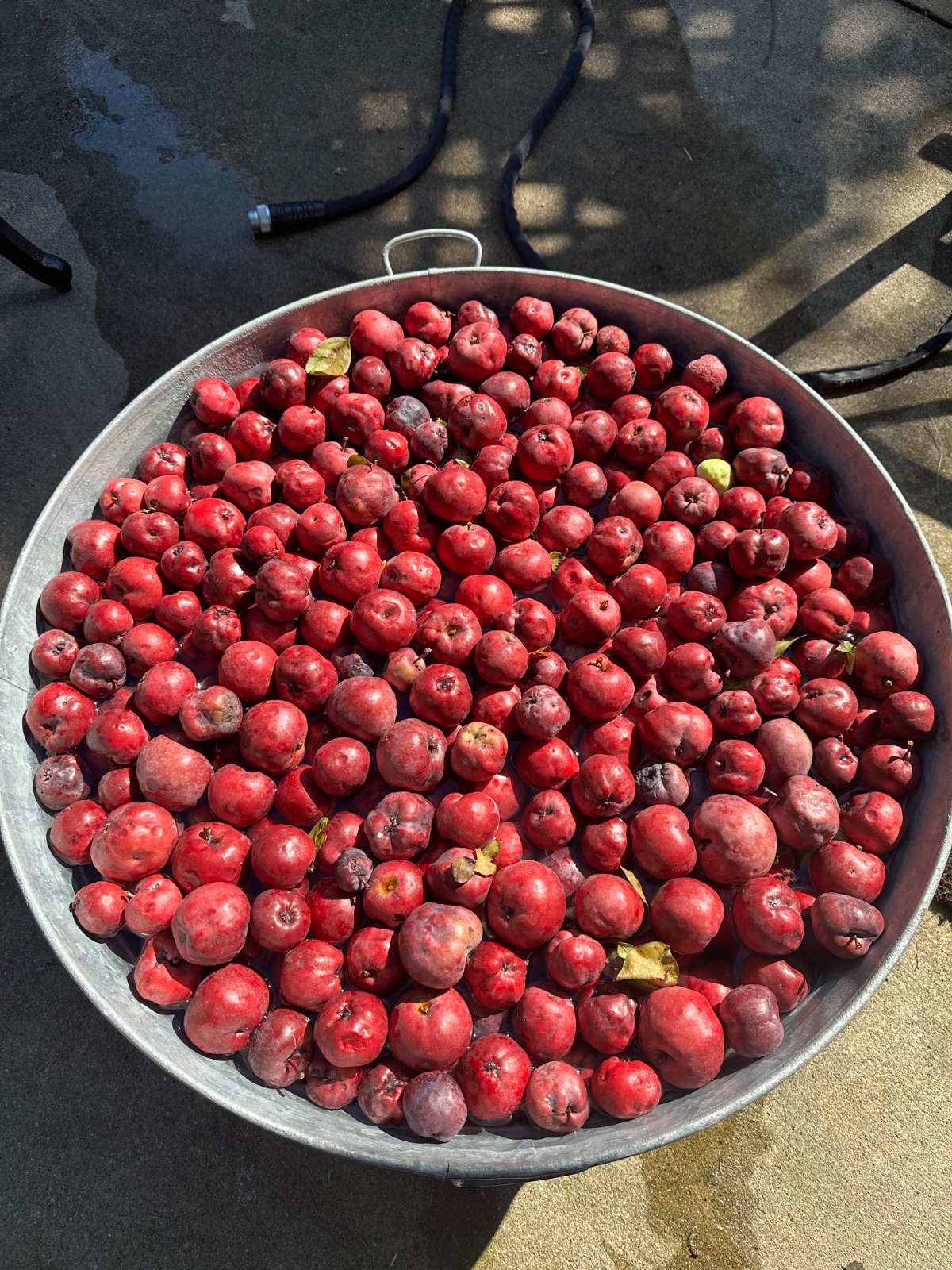
$47.99
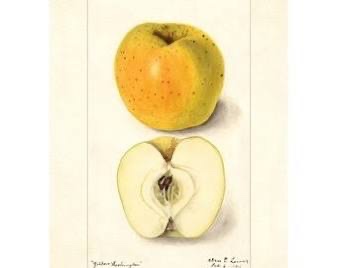
(zones 3-7) best for making applesauce, apple butter, and pies.
Available on both Bud 9 and MM111 Rootstock.
This heirloom variety originated in Russia or the Baltic region (specifically identified in Latvia) during the early-to-mid 1800s. In 1870, the United States Department of Agriculture (USDA) imported the variety to North America to supply pioneers and homesteaders with fruit trees capable of surviving brutal northern winters. It quickly became a staple on historic American farmsteads. The tree is exceptionally cold-hardy, thriving across USDA Hardiness Zones 3 through 7. It is the best for making applesauce, apple butter, and pies. It is naturally tart and juicy, it cooks down quickly into a sweet, light-colored puree requiring very little added sugar. Can be eaten fresh straight from the tree. When green, it is crisp and intensely tart; as it turns a translucent yellow, it becomes softer and significantly sweeter. Early Bloom variety. The tree is considered partially self-fertile, cross-pollination with a companion tree blooming at the same time is required to guarantee reliable, heavy fruit sets. Consider these pollinating partners: Lodi, Liberty, Cortland, Empire, Freedom, Zestar, Summer Rambo, or Parkland. Trees are bench grafted 1/4-3/16 inch diameter and 1 1/2 to 2 feet tall when shipped.
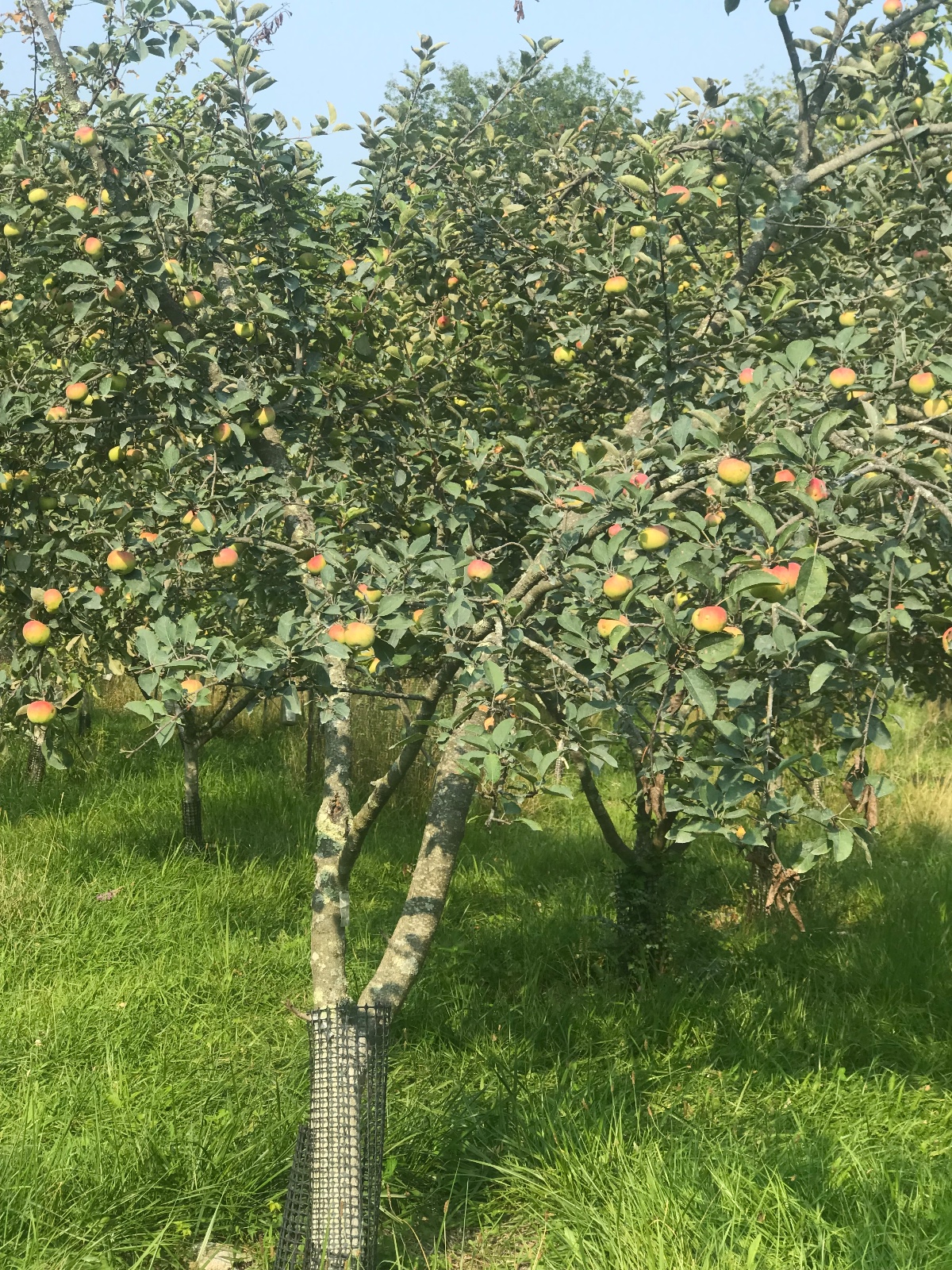
(Zones 3-8) An excellent tasting apple for fresh eating in norther climates
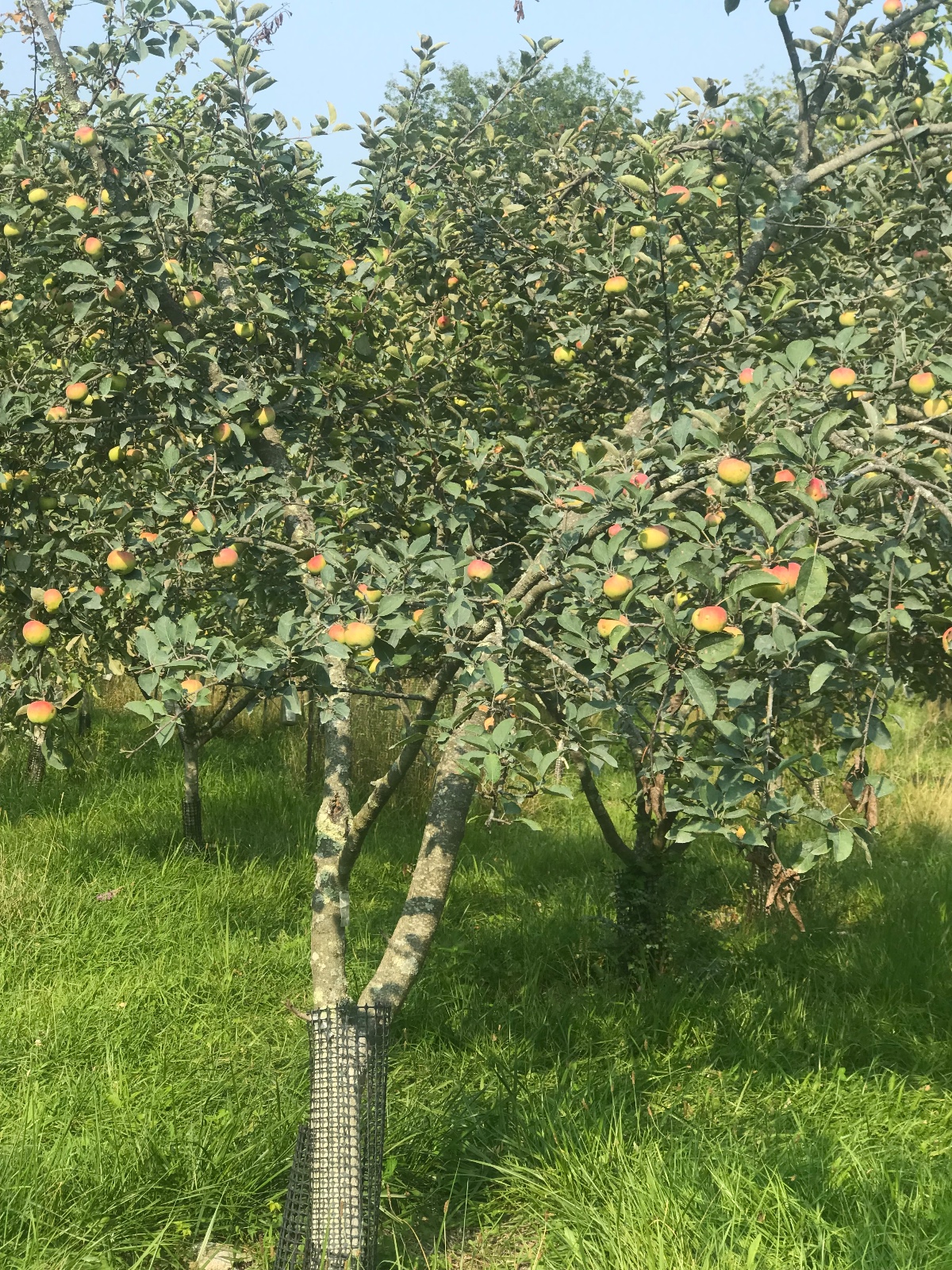
(zones 4-8) Firm, crisp, white flesh with a sweet-tart balance with a subtle pear flavor with hints of honey and vanilla.