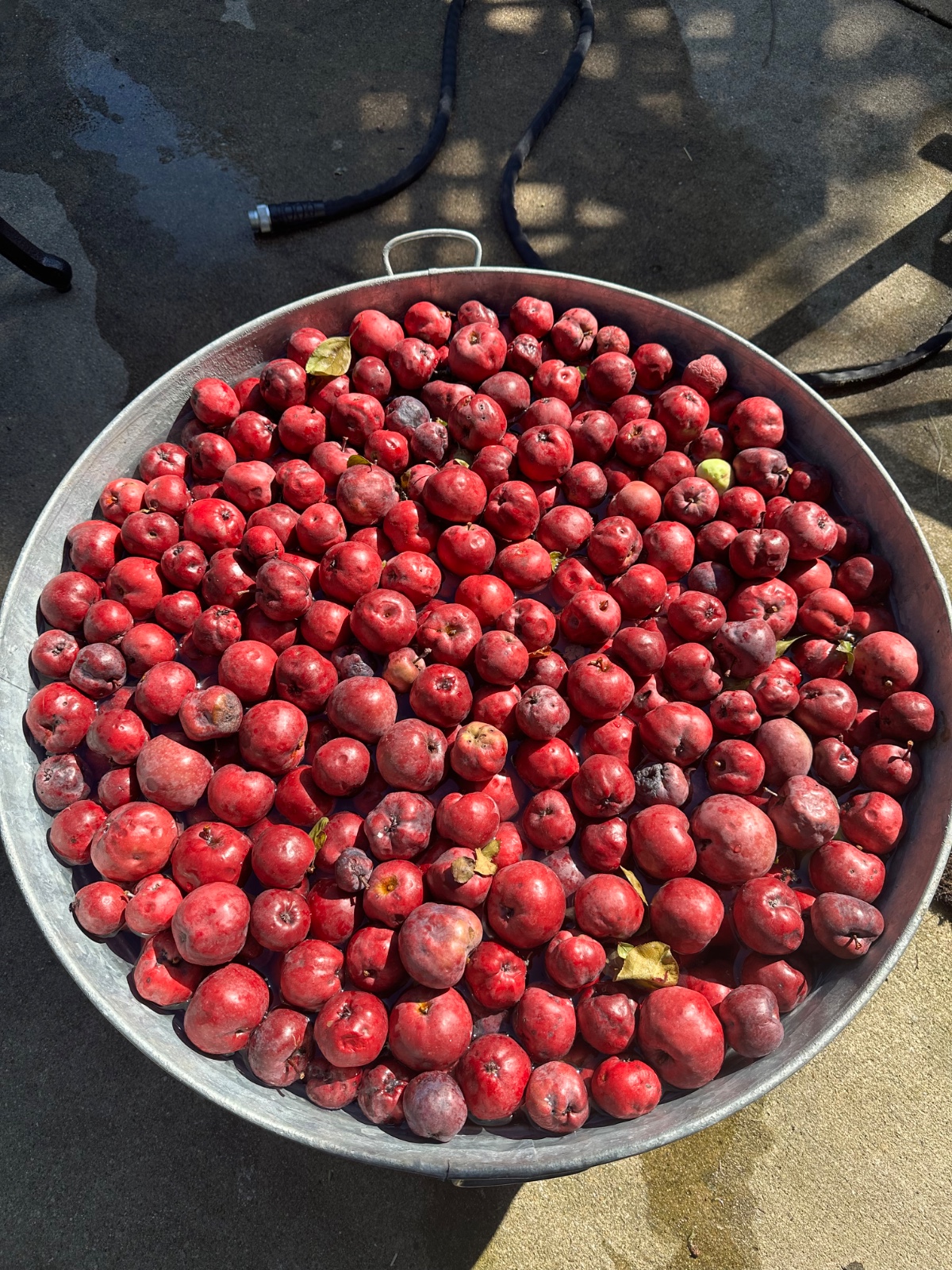
$47.99
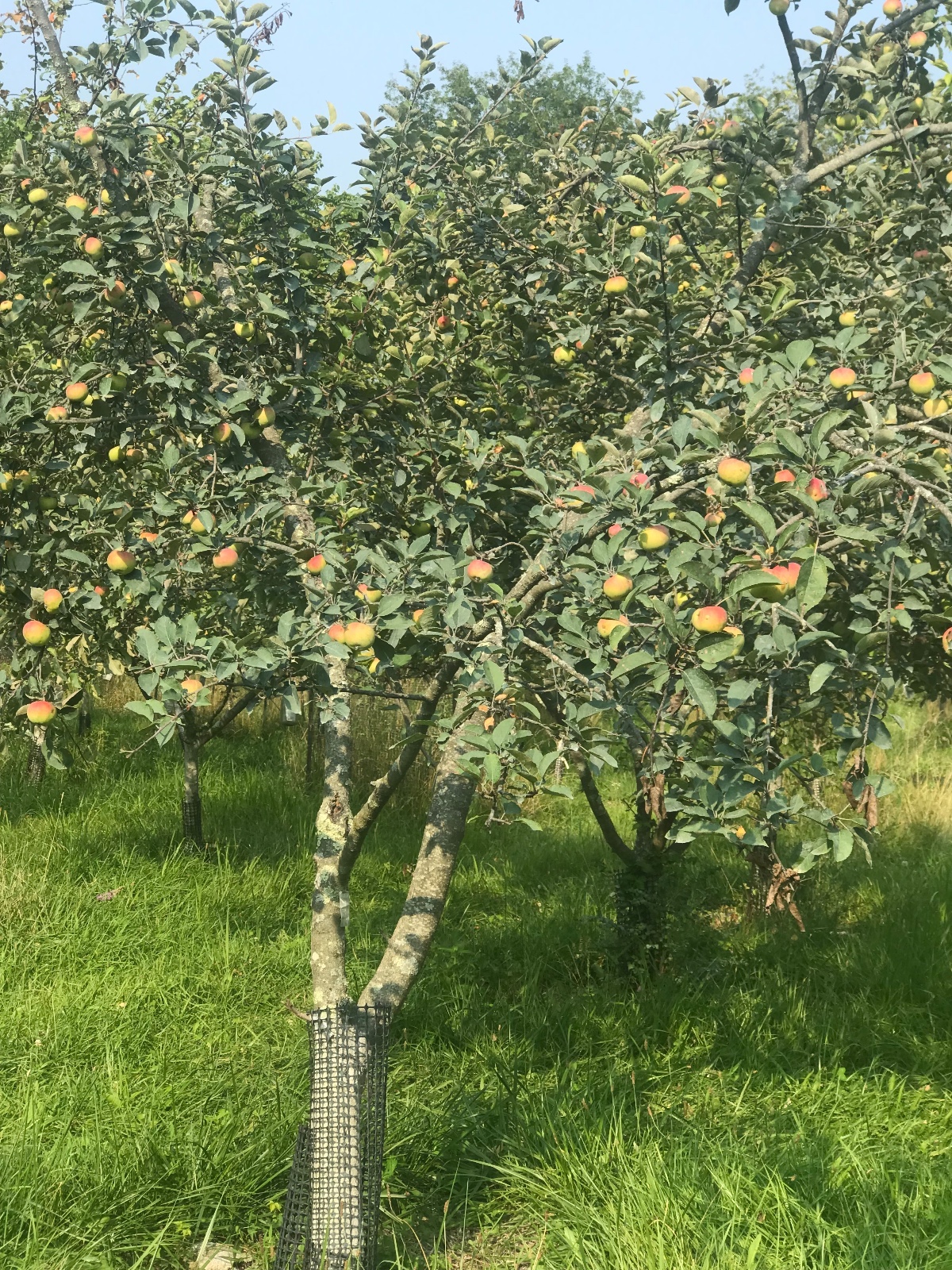
(zones 3-7) mildly sweet flavor balanced by a gentle tartness.
Available on both Bud 9 and MM111 Rootstock.
Wedge Apple Tree History Developed in 1912 and officially introduced in 1922 by the University of Minnesota Fruit Breeding Farm, the Wedge Apple was selected from open-pollinated seedlings of the classic Ben Davis variety. It was bred specifically to give northern growers a large, dependable, and extremely cold-tolerant autumn apple capable of surviving harsh upper-Midwest winters. Flavor & Texture Wedge apples grow to a notably large size with smooth, greenish-yellow skin blushed with dull pinkish-red. Beneath the skin, the flesh is crisp, firm, and juicy, delivering a pleasant, mildly sweet flavor balanced by a gentle tartness. Culinary & Orchard Uses • Fresh Eating: Enjoyable straight off the tree in early-to-mid fall. • Baking & Cooking: Its firm flesh holds its shape well in pies, crisps, and baked dishes, and cooks down into a smooth applesauce. • Storage: Holds its quality well for 4 to 6 weeks in cold storage. • Tree Performance: Vigorous, upright, and rounded, bearing reliable annual crops with strong natural resistance to apple scab. Growing Specifications • USDA Hardiness Zones: Zones 3–7 (hardy down to -50°F). • Chill Hours: High chill requirement (estimated 800–1,000+ hours below 45°F), making it best suited for cold-winter regions rather than the mild-winter South. • Bloom Time: Mid-season (typically May in northern climates). • Pollination Partners: Not self-fertile; requires another mid-season blooming apple or crabapple planted within 50–100 feet for cross-pollination. Reliable partners include Honeycrisp, Haralson, Wealthy, McIntosh, Golden Delicious, or Dolgo Crabapple. Trees are bench grafted 1/4-3/16 inch diameter and 1 1/2 to 2 feet tall when shipped.
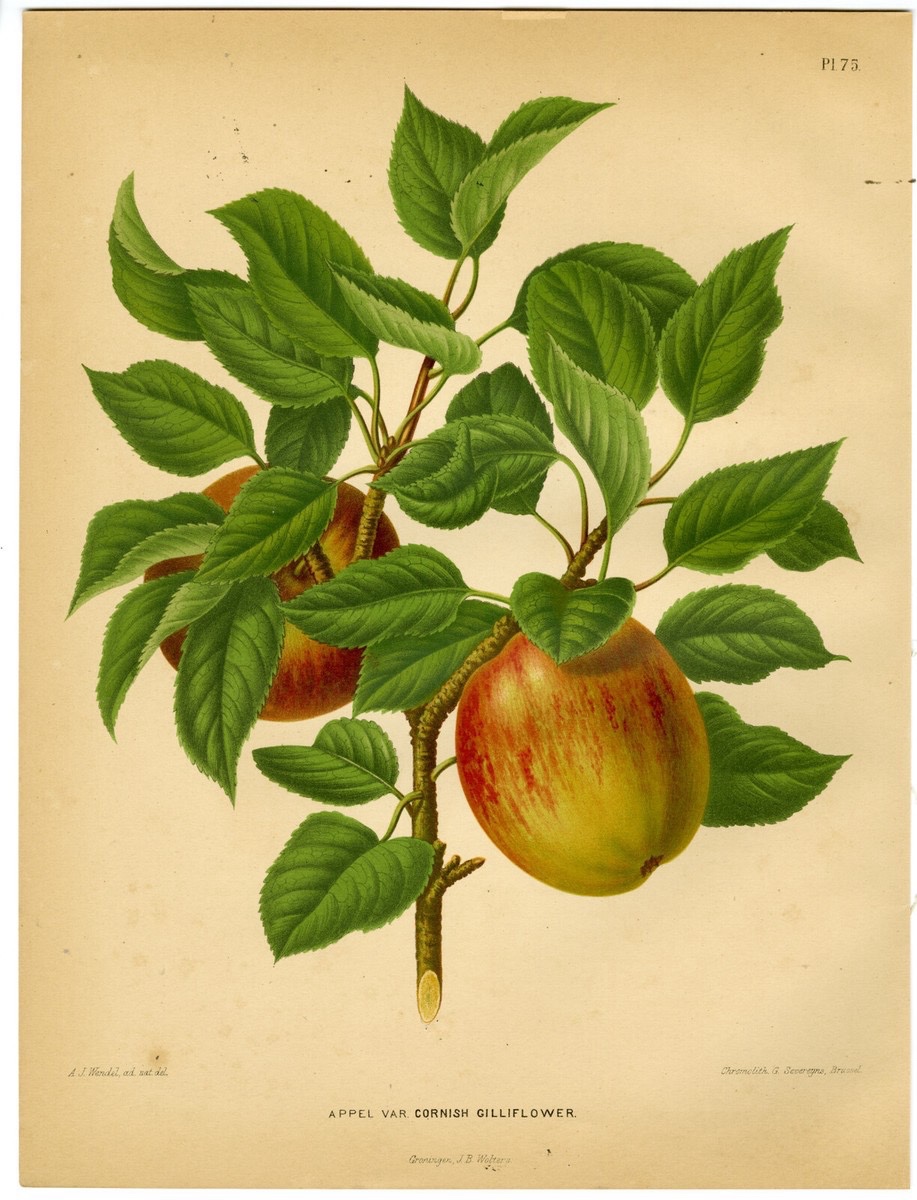
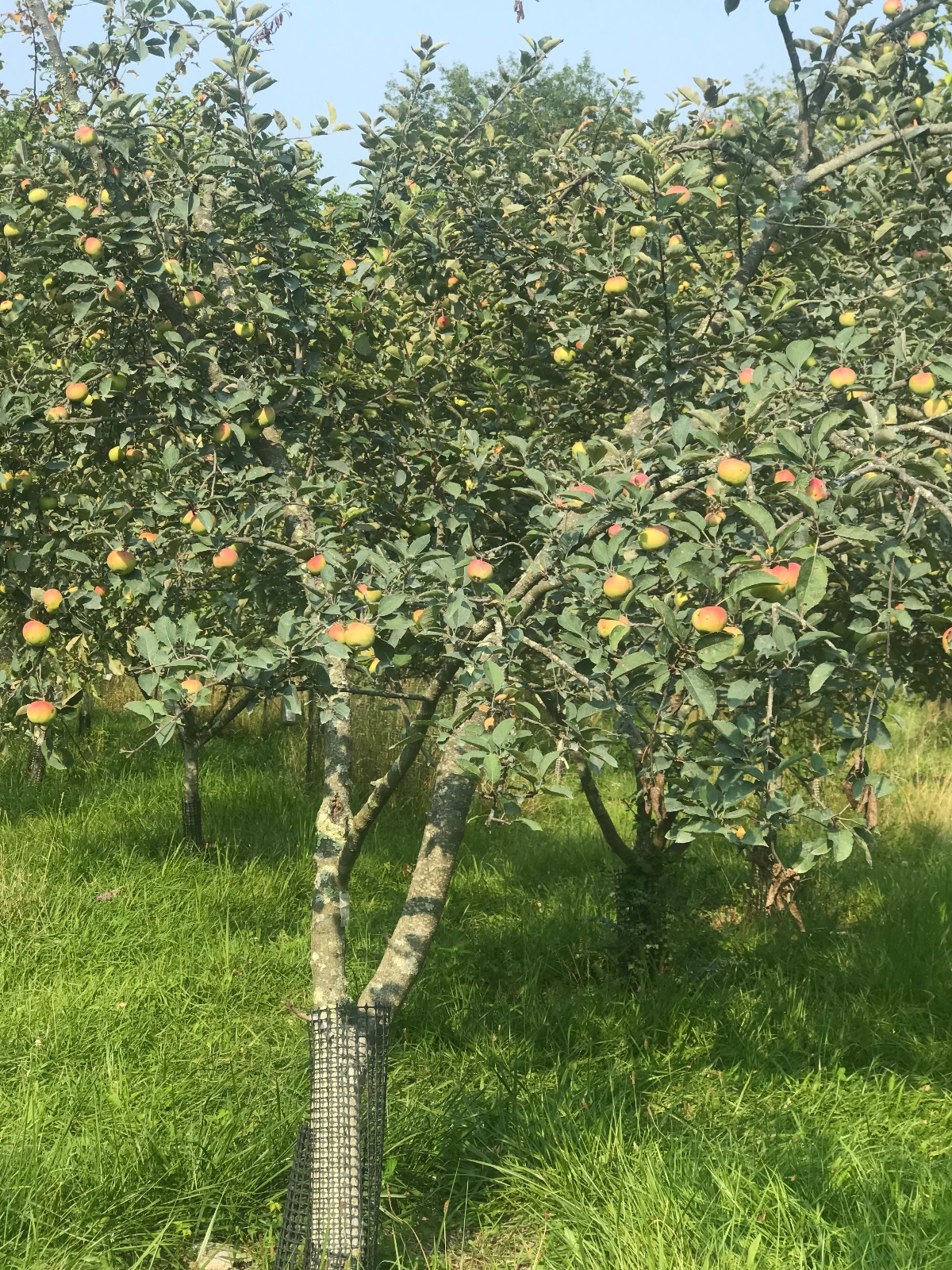
(Zones 3-8) An excellent tasting apple for fresh eating in norther climates