$47.99
(zones 3-8)
Available on both Bud 9 and MM111 Rootstock.
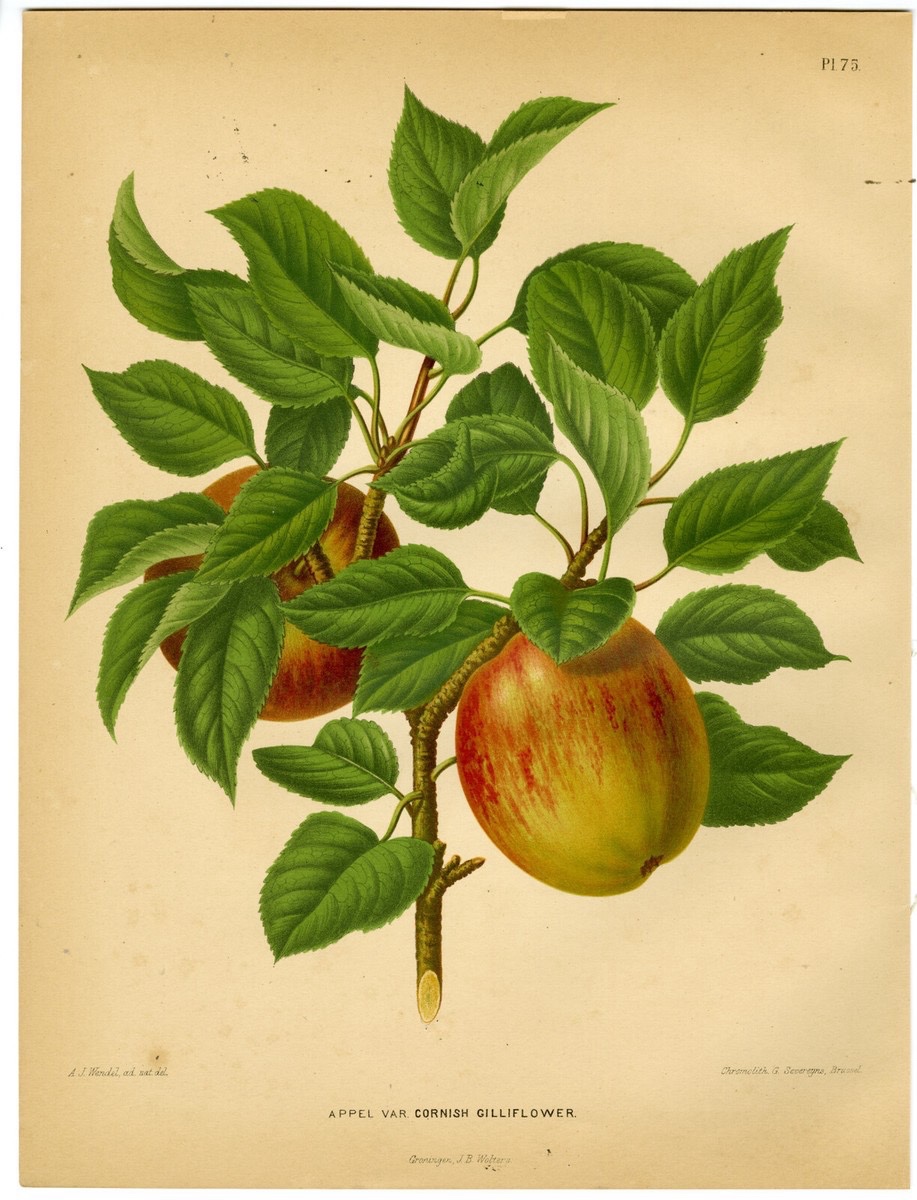
Washington Strawberry Apple Tree (Malus domestica 'Washington Strawberry') History & Origin Originated prior to 1849 on the farm of Job Whipple in Union Springs (Washington County), New York, and was first exhibited in Syracuse in 1849. Historically grown across New York and New England under synonyms including Juniata, Washington County Seedling, and Canadian Strawberry, it became a prized 19th-century homestead variety for its large, attractive fruit and reliable hardiness. Flavor & Fruit Characteristics Produces medium-to-large, round-conic apples with a butter-yellow skin heavily splashed and striped with vibrant brick-red to orange-red. Inside, the yellow flesh is crisp, juicy, and slightly coarse-grained, delivering a rich sweet-sharp balance with spicy aromatics and distinct, mild strawberry undertones. Culinary & Orchard Uses • Fresh Eating: Excellent as a crisp, refreshing early-fall dessert apple. • Cooking & Baking: Holds its shape well enough for pies, tarts, and cobblers, while breaking down into a rich, flavorful applesauce. • Cider: Adds bright acidity, juice, and aromatic complexity to early-season cider blends. • Storage: Ripens in late September to October (depending on latitude) and keeps well for 1 to 2 months in cold storage. Growing Details & Climate • USDA Hardiness Zones: Zones 3–8 (exceptionally cold-hardy). • Chill Hours: High chill requirement, estimated around 800–1,000+ hours below 45°F, making it best suited for climates with distinct winter dormancy rather than mild-winter regions. • Growth Habit: Moderately vigorous, spreading, and precocious (bears at a young age) with heavy crops that can lean biennial without thinning. Bloom Time & Pollination Partners • Bloom Time: Early-to-mid season (Pollination Group B / Group 2–3). • Pollination Requirements: Self-sterile. Because different nursery strains circulate (some listed as diploid and Canadian Strawberry strains identified as triploid), planting two compatible diploid varieties that overlap in early-to-mid bloom is recommended to ensure full pollination across the orchard. • Recommended Partners: Early-to-mid blooming diploids such as Honeycrisp, Gala, Cortland, McIntosh, Empire, Wealthy, Grimes Golden, or flowering crabapples like Dolgo and Snowdrift. (Avoid relying on other triploids like Gravenstein, Mutsu, or Winesap as pollen sources.)
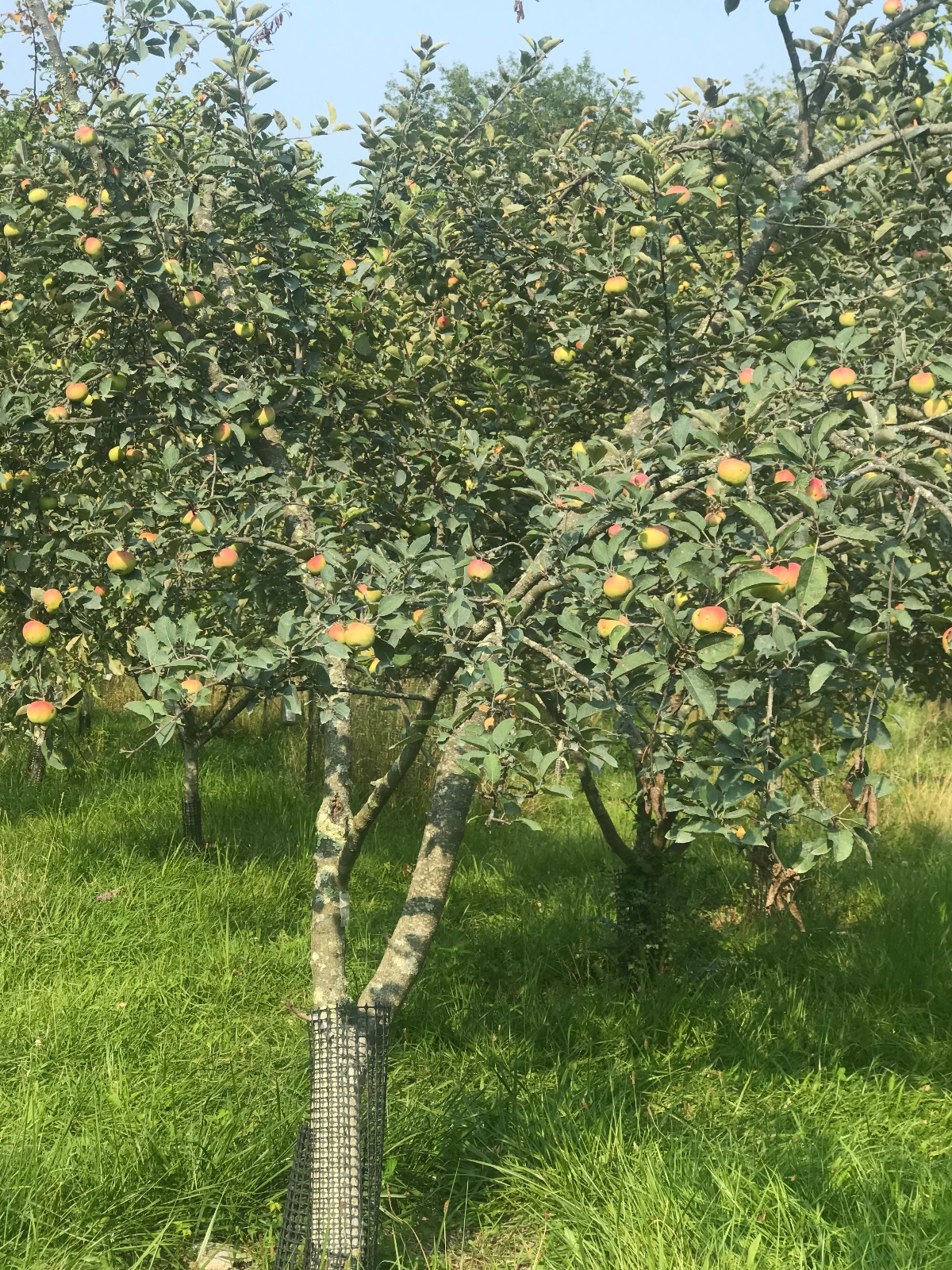
(Zones 3-8) An excellent tasting apple for fresh eating in norther climates