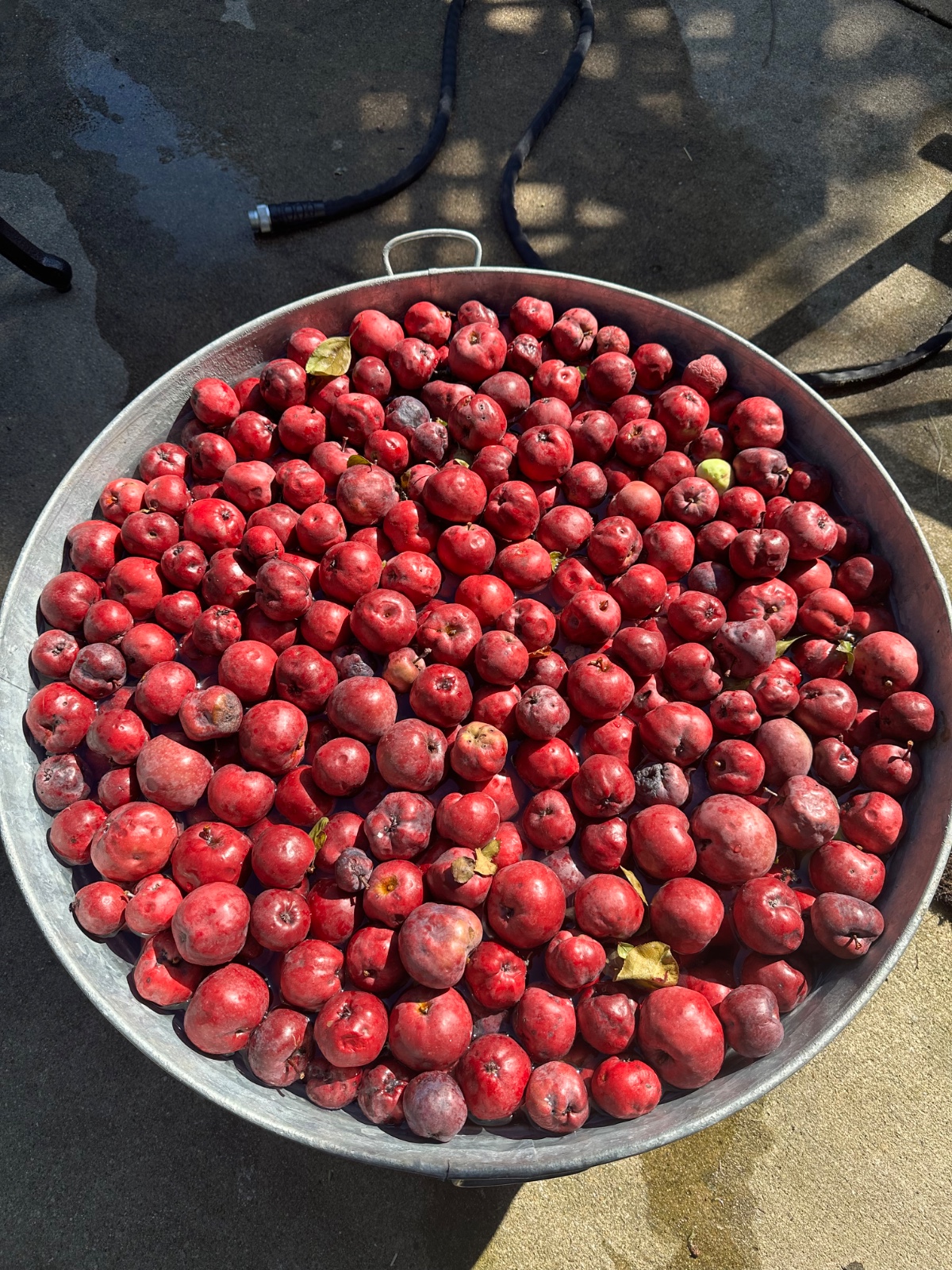
$47.99
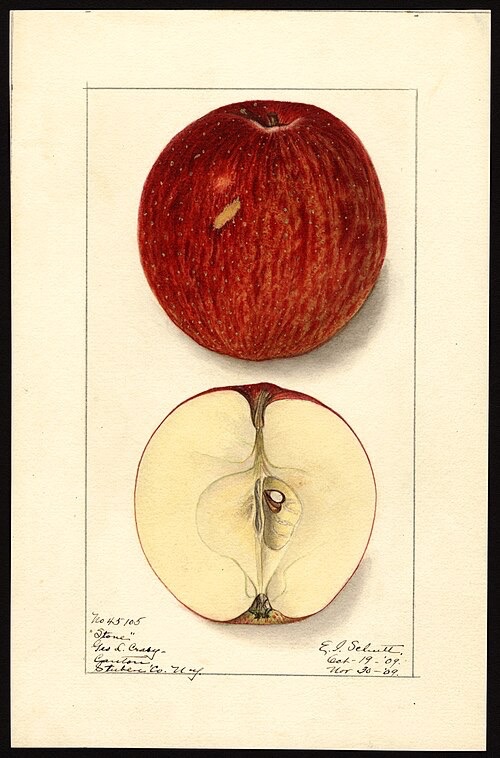
(zones 3-7)classic, old-world balance of sweet-tart richness and crisp, juicy aromatics that deepens in flavor after harvest.
Available on both Bud 9 and MM111 Rootstock.
A Rare 18th-Century New England Winter Keeper Built for Extreme Cold Bring a true piece of American orchard history to your homestead. Originally propagated from Blue Pearmain seedlings collected by David Stone in Bethel, Vermont, in the late 1700s—and later popularized across northern New York in the 1830s—the Stone Apple earned its reputation as a dependable, heavy-bearing winter staple. Flavor & Aroma Beneath its thick, tough, bright green skin blushed with dull red striping lies firm, yellowish-white, coarse-grained flesh. Expect a classic, old-world balance of sweet-tart richness and crisp, juicy aromatics that deepens in flavor after harvest. Best Uses • Winter Storage: Famous for its rock-solid keeping ability, storing effortlessly through deep winter in a root cellar or cold storage. • Culinary & Baking: Holds its shape and bold flavor in pies, tarts, baked apples, and rich applesauce. • Fresh Eating: Excellent off the tree when allowed to hang and fully ripen during a long autumn. Growing & Pollination Specs • USDA Hardiness Zones: Zones 3–7 (tested hardy to -50°F or colder) • Chill Hours: High chill requirement (estimated 800–1,000+ hours below 45°F, typical of northern heritage cultivars) • Bloom Time: Early-season bloomer (Pollination Group A / Peak 1) • Pollination Partners: Self-sterile diploid. Requires a compatible early- to mid-season blooming apple or crabapple nearby (such as McIntosh, Wealthy, Gravenstein, Red Astrachan, or Dolgo Crabapple). • Growth Habit: Vigorous, long-lived, heavy-bearing tree; thin fruit clusters early for optimal size and annual cropping. Trees are bench grafted 1/4-3/16 inch diameter and 1 1/2 to 2 feet tall when shipped.
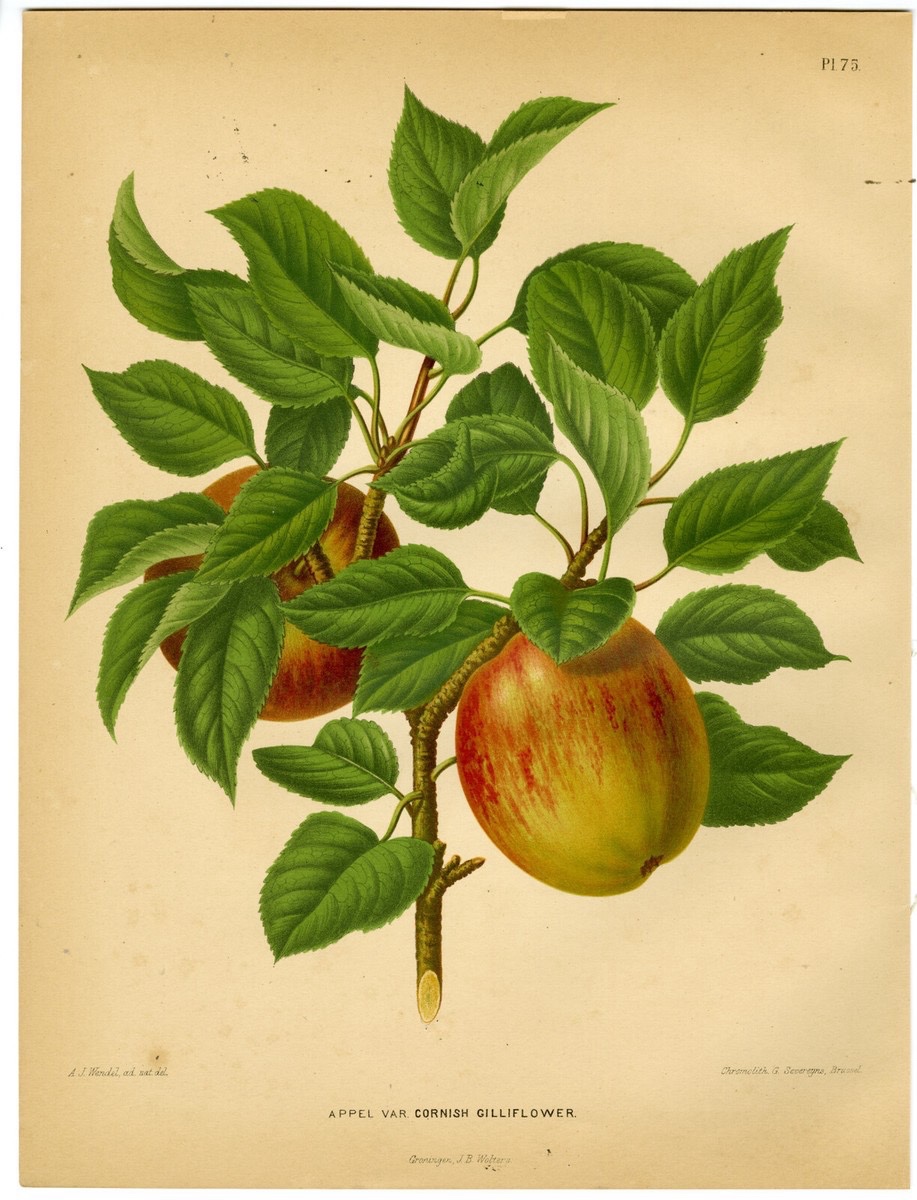
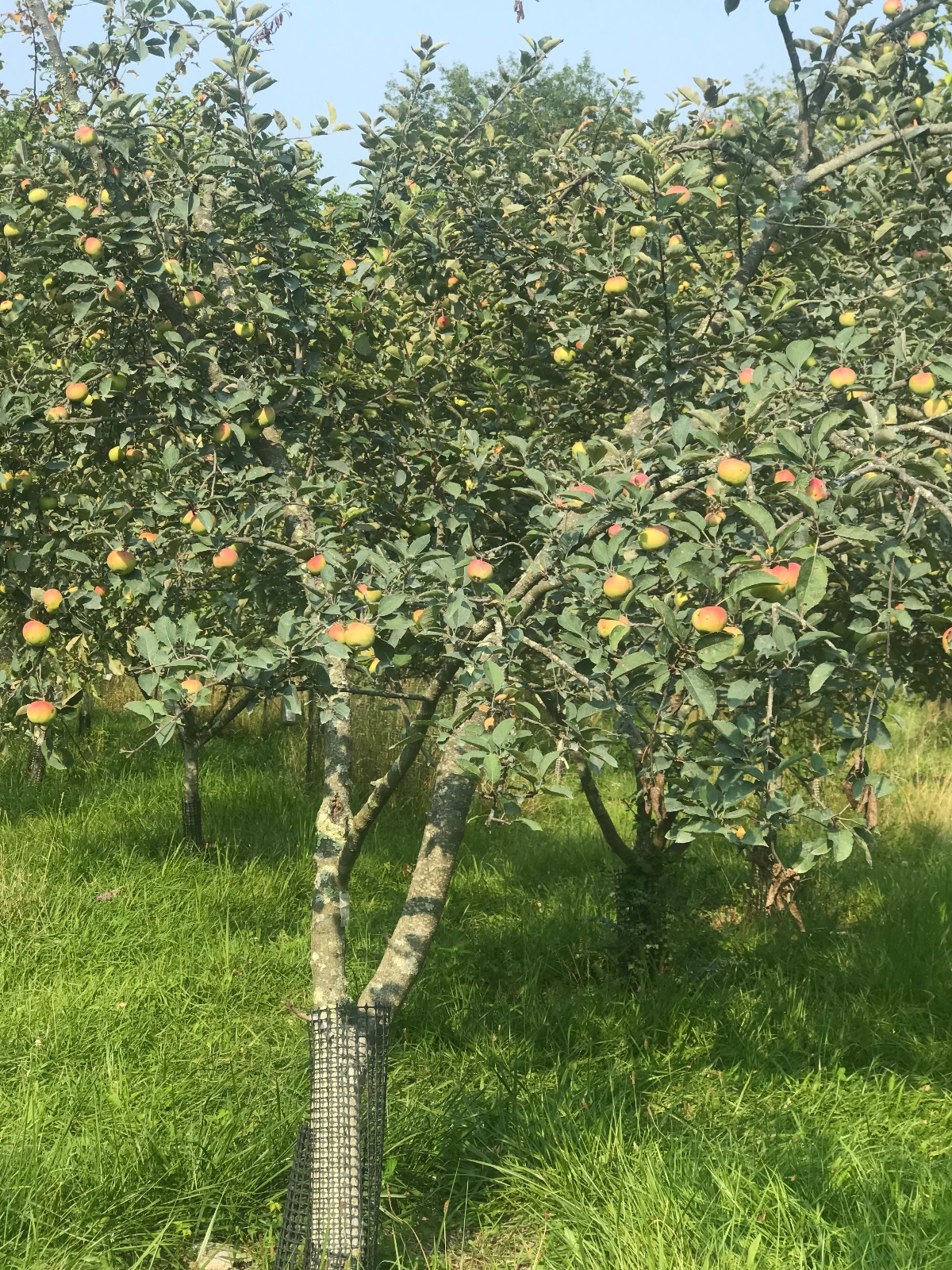
(Zones 3-8) An excellent tasting apple for fresh eating in norther climates