$47.99
(zones 5-8) aromatic blend with hints of vanilla, caramel, banana, and citrus.
Available on both Bud 9 and MM111 Rootstock.
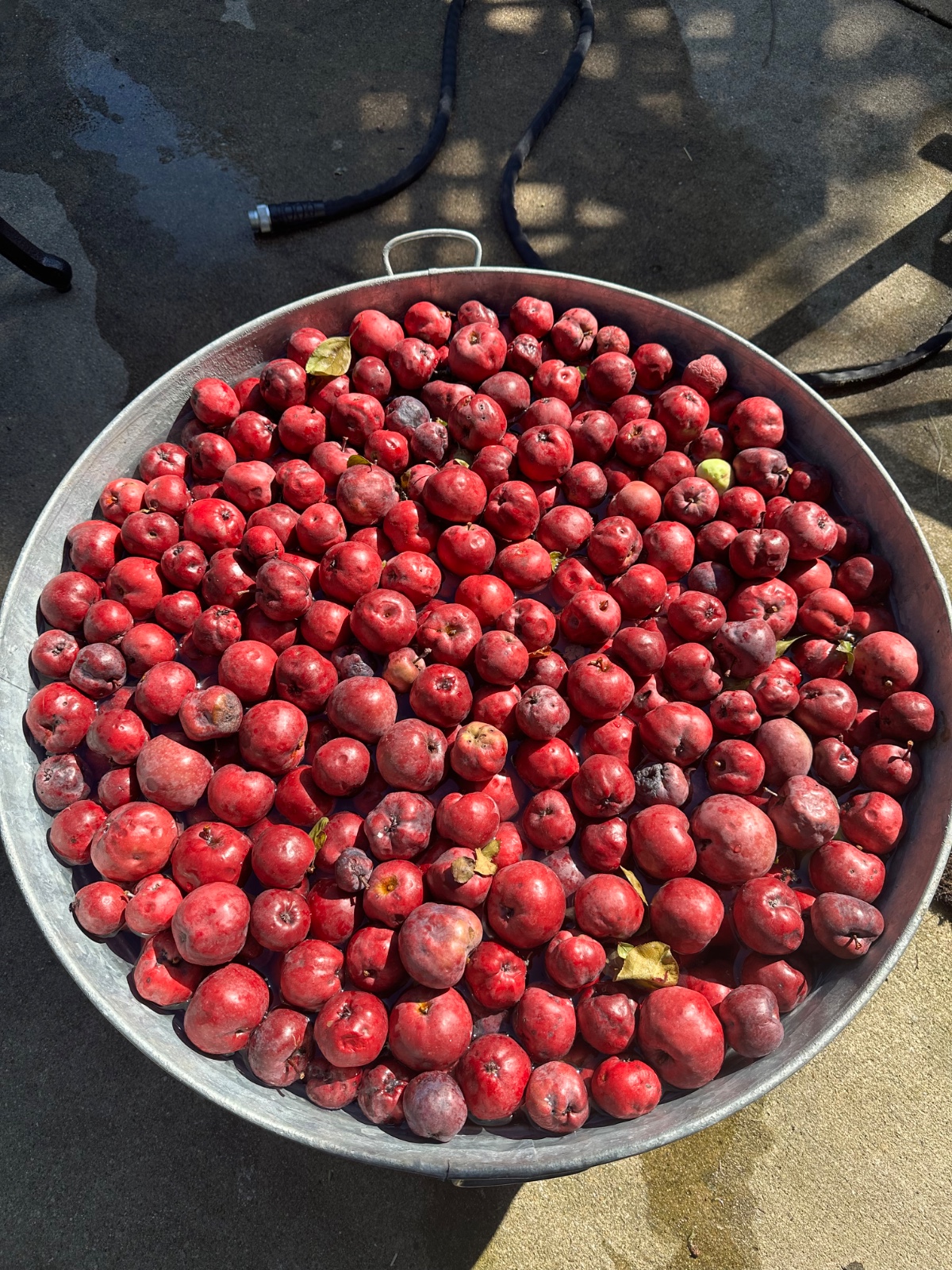
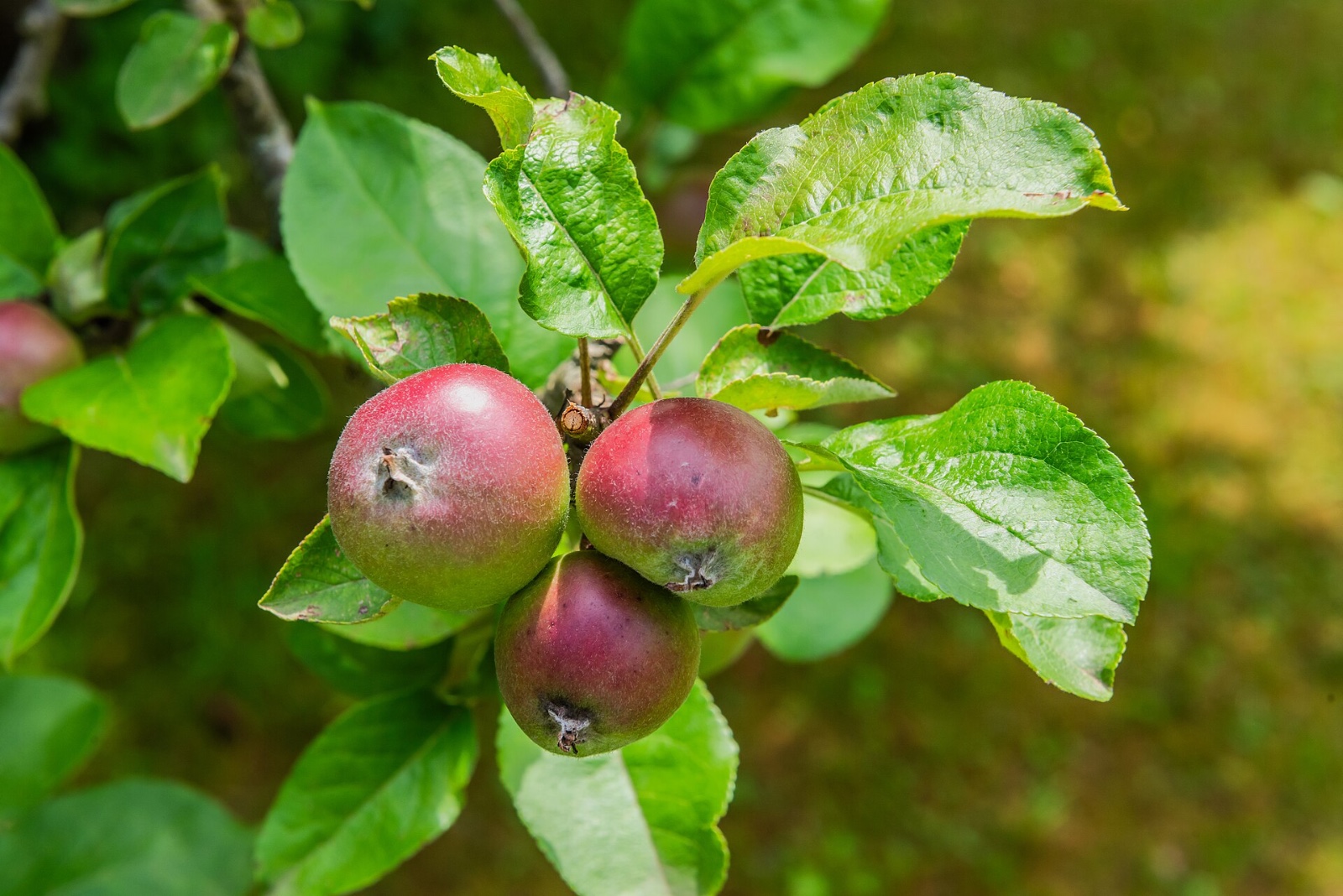
A stunning, disease-resistant "keeper" apple that gets sweeter and richer the longer it rests. Overview & History Developed by the prestigious PRI Cooperative Breeding Program (Purdue, Rutgers, and Illinois Universities), Scarlett O’Hara began as a 1971 cross at the New Jersey Agricultural Experiment Station. Released for testing as Co-op 25 in 1984 and officially introduced in 2000, this variety was bred to combine gourmet dessert quality with natural immunity to apple scab. True to its name, the fruit develops a deep, glamorous crimson-red blush over a golden-yellow background. Flavor & Culinary Uses • Taste & Texture: Crisp, firm, and juicy with pale yellow flesh. While pleasant and mildly sweet right off the tree in late September, Scarlett O’Hara is famous for aging like fine wine—after 1 to 2 months in cold storage, its sugars deepen into a complex, sweet-tart, and aromatic blend with hints of vanilla, caramel, banana, and citrus. • Best Uses: Exceptional for fresh eating straight from winter storage, baking (holds its shape and crispness under heat), and hard cider blends. • Storage Life: One of the best-keeping apples available, maintaining its crunch for 6 to 7 months under refrigeration. Growing Specs & Care • USDA Hardiness Zones: Zones 5 – 8 (Rootstock dependent; performs reliably across temperate and moderately warm climates) • Chill Hours: Approximately 700 – 800 hours (below 45°F) • Bloom Time: Mid-to-Late Season (Flowering Group 4 / Group C) • Pollination Partners: Not self-fertile. Requires a compatible diploid apple blooming in the mid-to-late window, such as Gala, Fuji, Golden Delicious, Honeycrisp, Granny Smith, or Enterprise. • Harvest Window: Mid-to-late September through October. Fruit clings tightly to the branch with virtually no pre-harvest drop, allowing you to leave apples on the tree to build maximum sugar. • Disease Resistance: Field immune to apple scab and strongly resistant to cedar apple rust and powdery mildew. Trees are bench grafted 1/4-3/16 inch diameter and 1 1/2 to 2 feet tall when shipped.
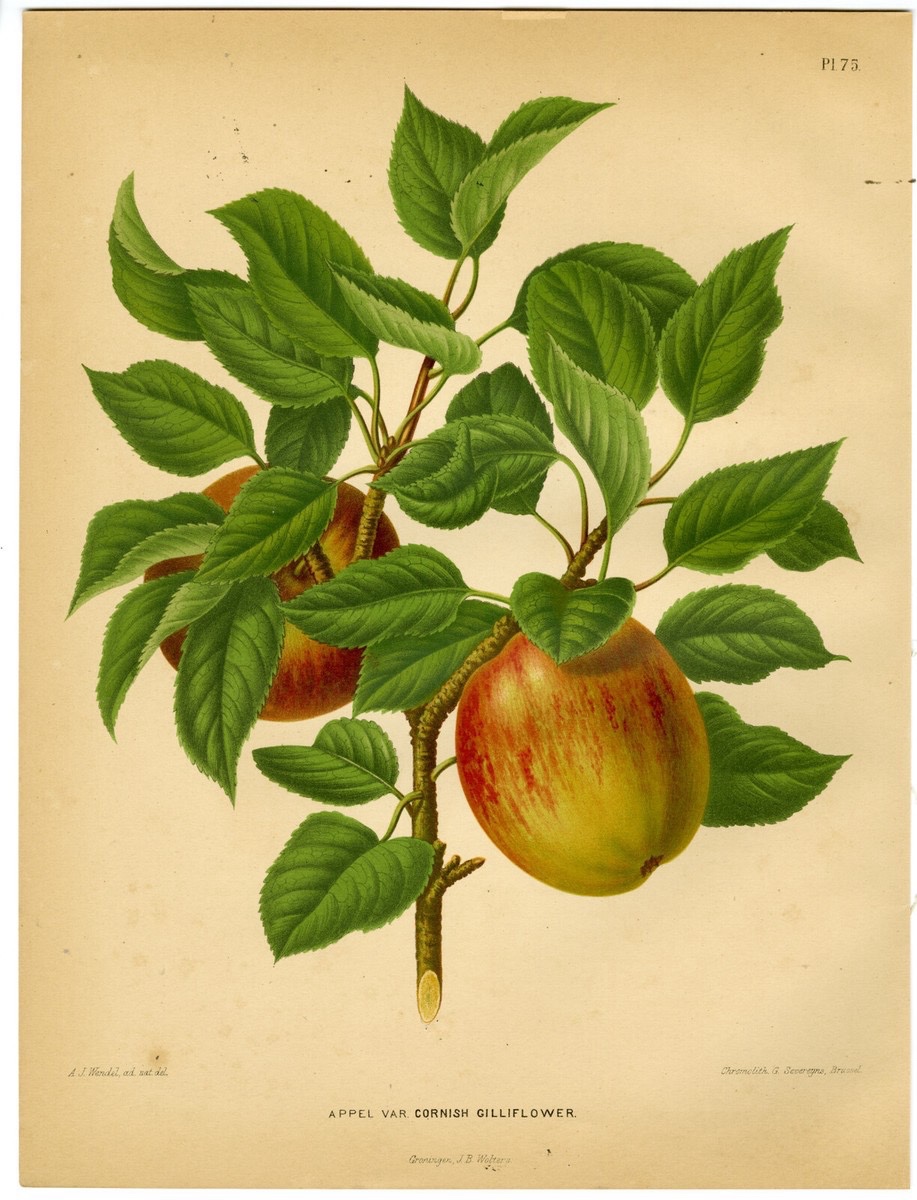
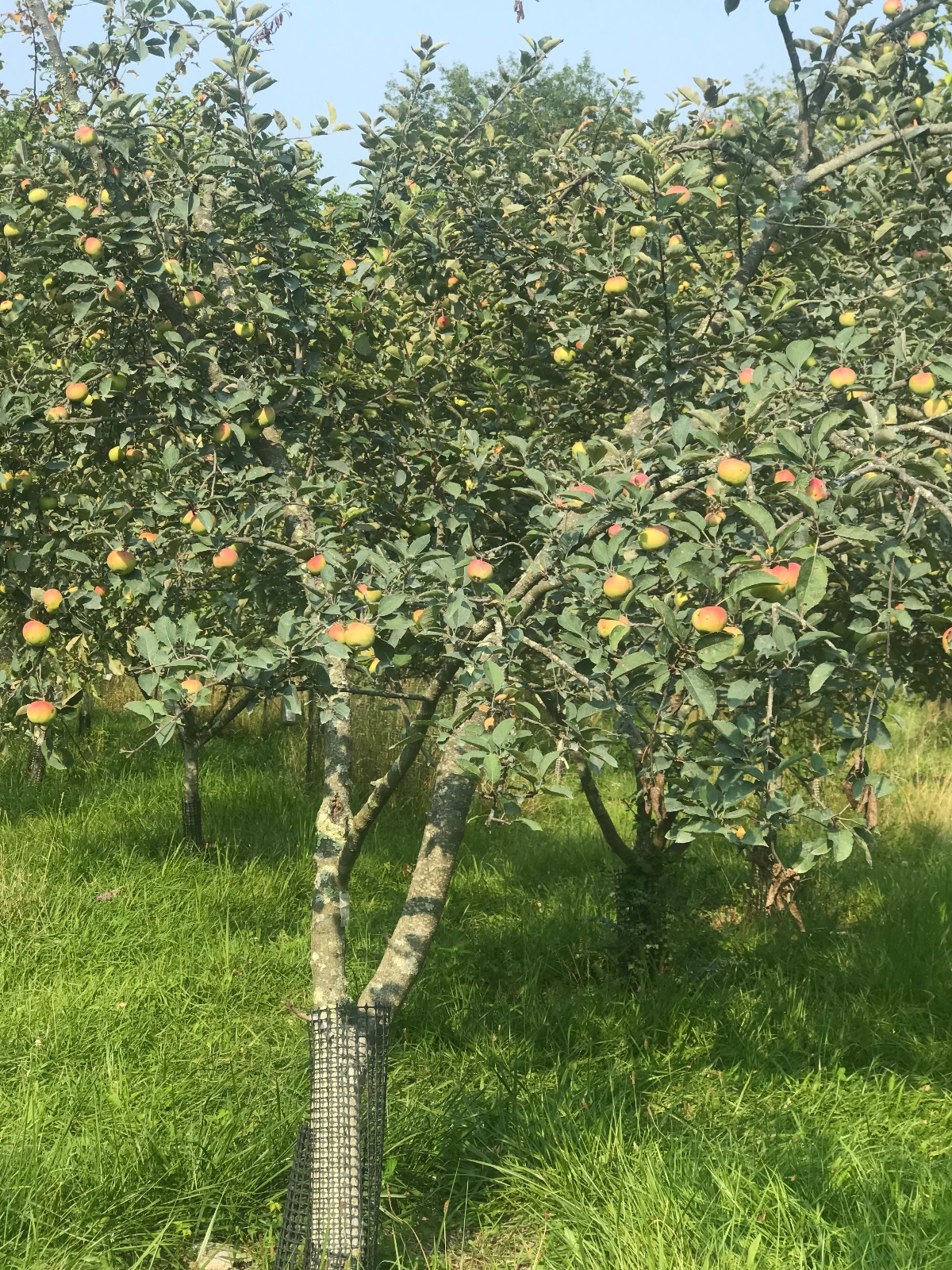
(Zones 3-8) An excellent tasting apple for fresh eating in norther climates