$47.99
(zones 5-10) Outstanding for fresh eating straight off the tree
Available on both Bud 9 and MM111 Rootstock.
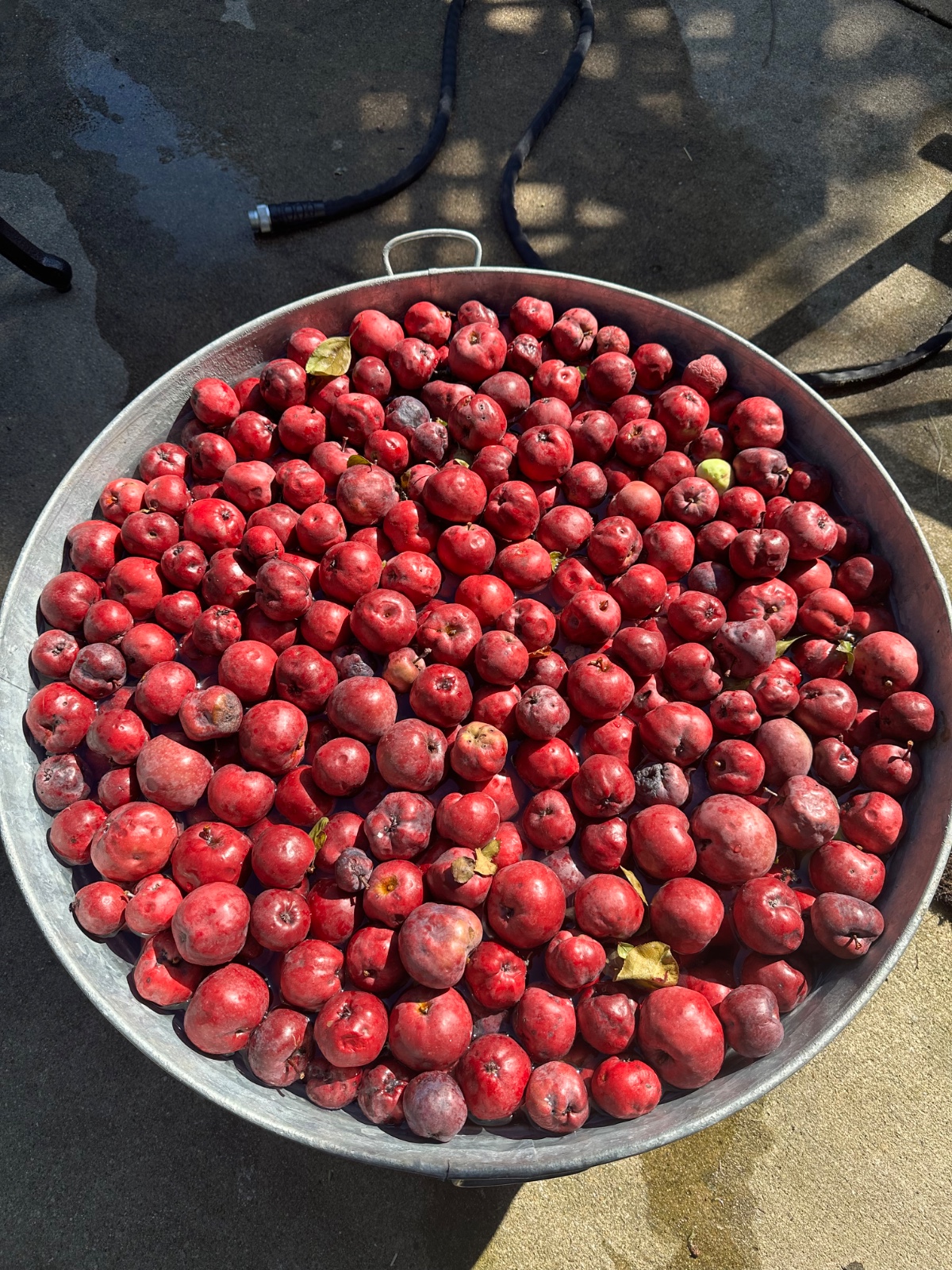
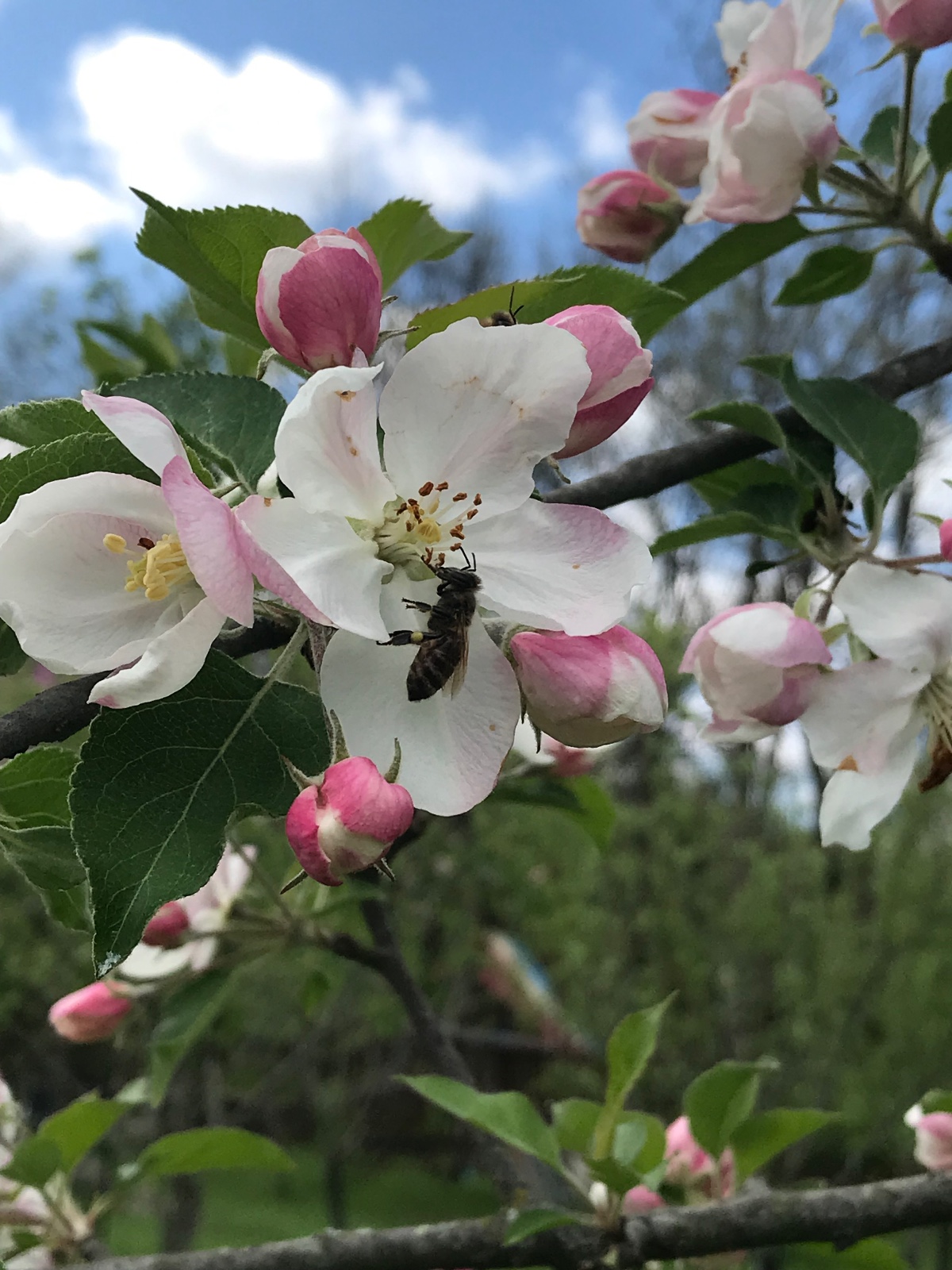
Pink Pearmain Apple Tree (Malus domestica) Also known as Pink Sparkle — Rare Pink-Fleshed Heirloom Add a true showstopper to your backyard orchard with Pink Pearmain, a rare, pink-fleshed heirloom apple prized for its striking color, crisp texture, and vibrant, berry-kissed flavor. A Piece of California Fruit History Developed in the early 20th century by legendary, self-taught Northern California plant breeder Albert Etter, Pink Pearmain emerged from his groundbreaking work breeding red-fleshed apples from the European Surprise cultivar. Rediscovered decades later on an abandoned homestead near Whitethorn, California, this storied variety (often sold under the name Pink Sparkle) remains a coveted gem among fruit collectors and home orchardists alike. Flavor & Kitchen Uses • Flavor & Texture: Medium-to-large, distinctively conical ("upside-down pear") fruit with red-striped skin over a creamy-tan base. Slicing it open reveals stunning, aromatic, deep-pink flesh that is crisp, juicy, and tart-sweet with bright berry notes. (Note: Cooler, drier late-summer weather intensifies the interior pink color). • Best Uses: Outstanding for fresh eating straight off the tree, eye-catching rose-colored applesauce, tarts, pies, and specialty craft cider. Ripens mid-to-late September and keeps for 1 to 2 months in cold storage. Growing & Pollination Specs • USDA Hardiness Zones: Zones 5–10 • Chill Hours: Low-chill (~400–500 hours), making it remarkably adaptable for warm, mild-winter regions like Central Texas. • Bloom Time: Early-to-mid spring. • Pollination Partners: Self-sterile. Requires another early-to-mid spring blooming apple within 50–100 feet for fruit set. Great low-chill and warm-climate companions include Anna, Dorsett Golden, Ein Shemer, Fuji, Gala, or Granny Smith. Trees are bench grafted 1/4-3/16 inch diameter and 1 1/2 to 2 feet tall when shipped.
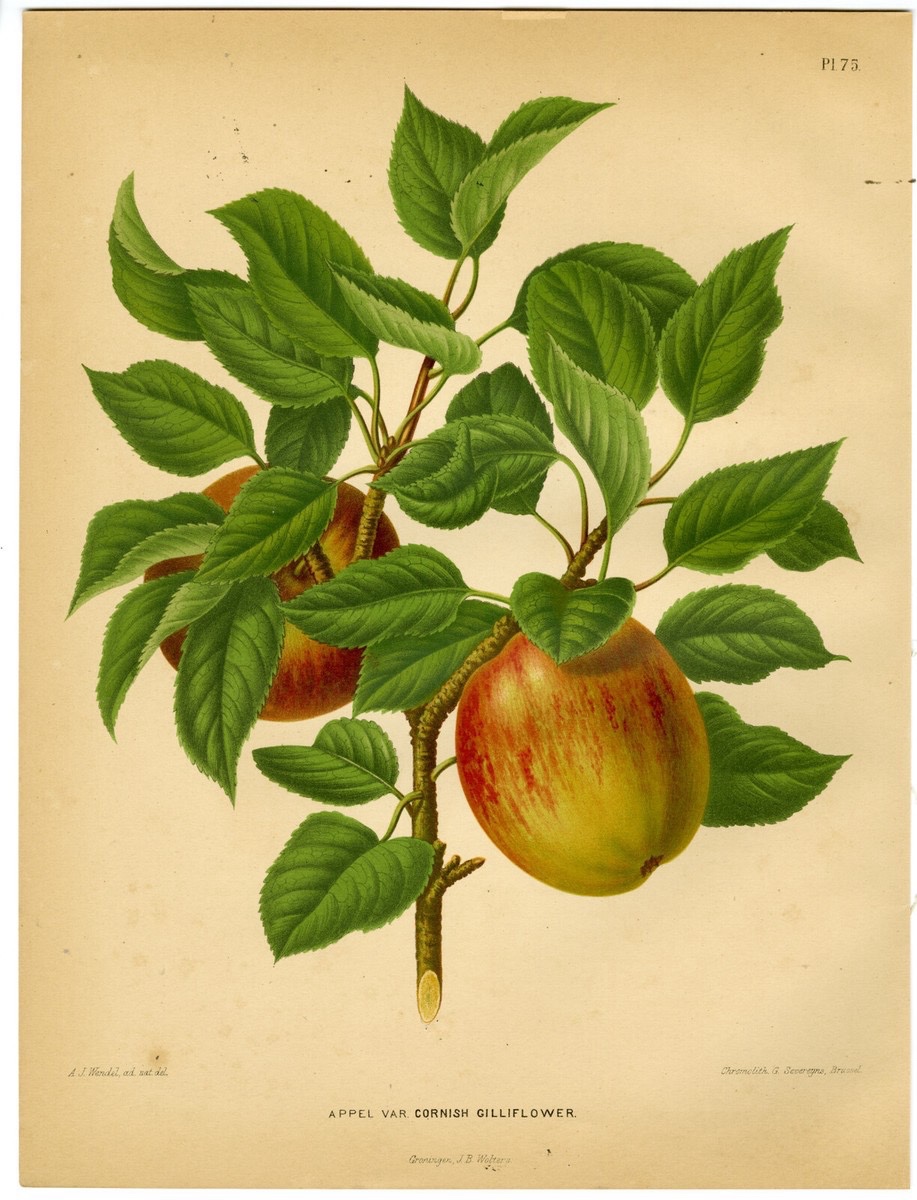
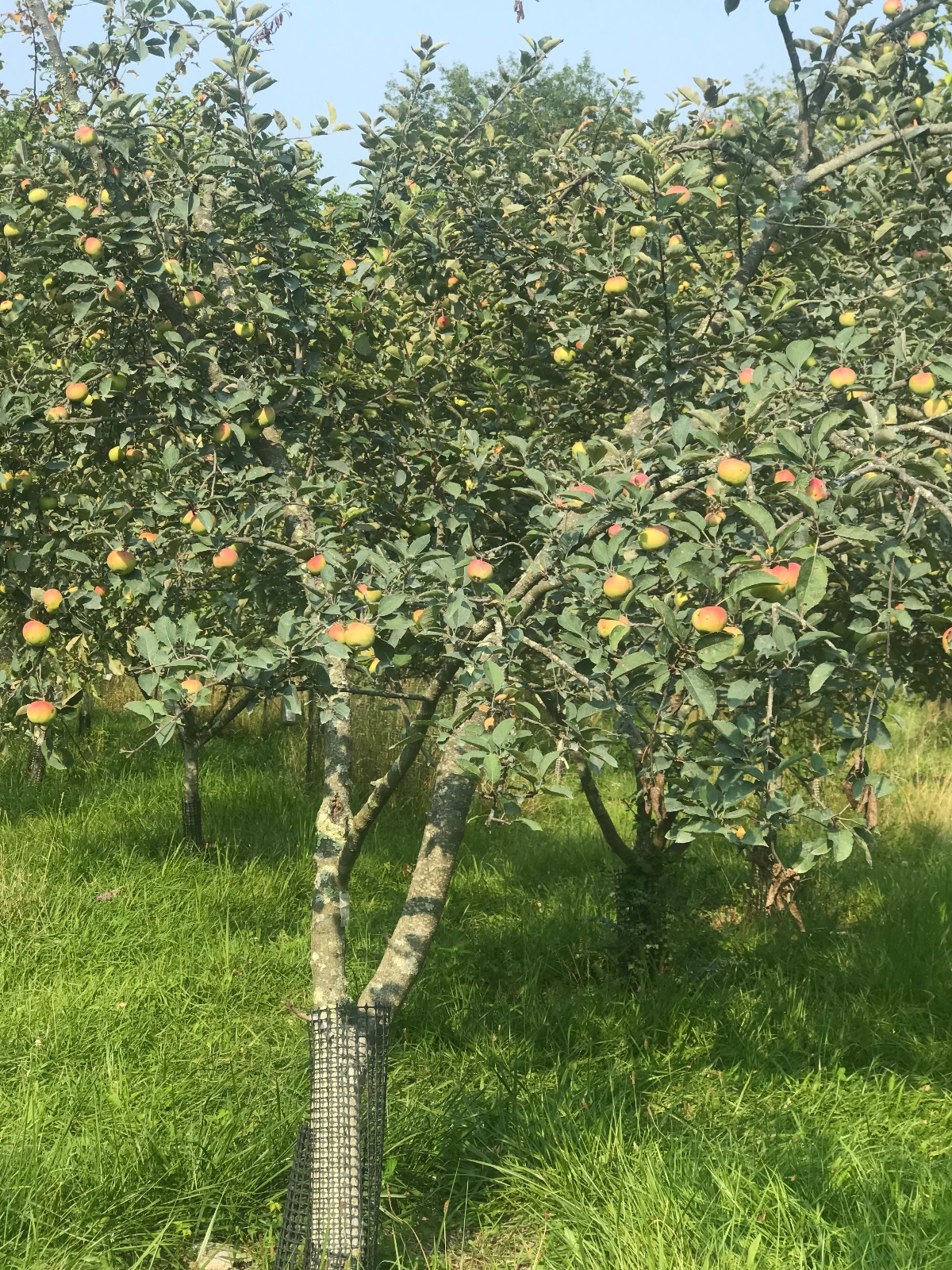
(Zones 3-8) An excellent tasting apple for fresh eating in norther climates