$47.99
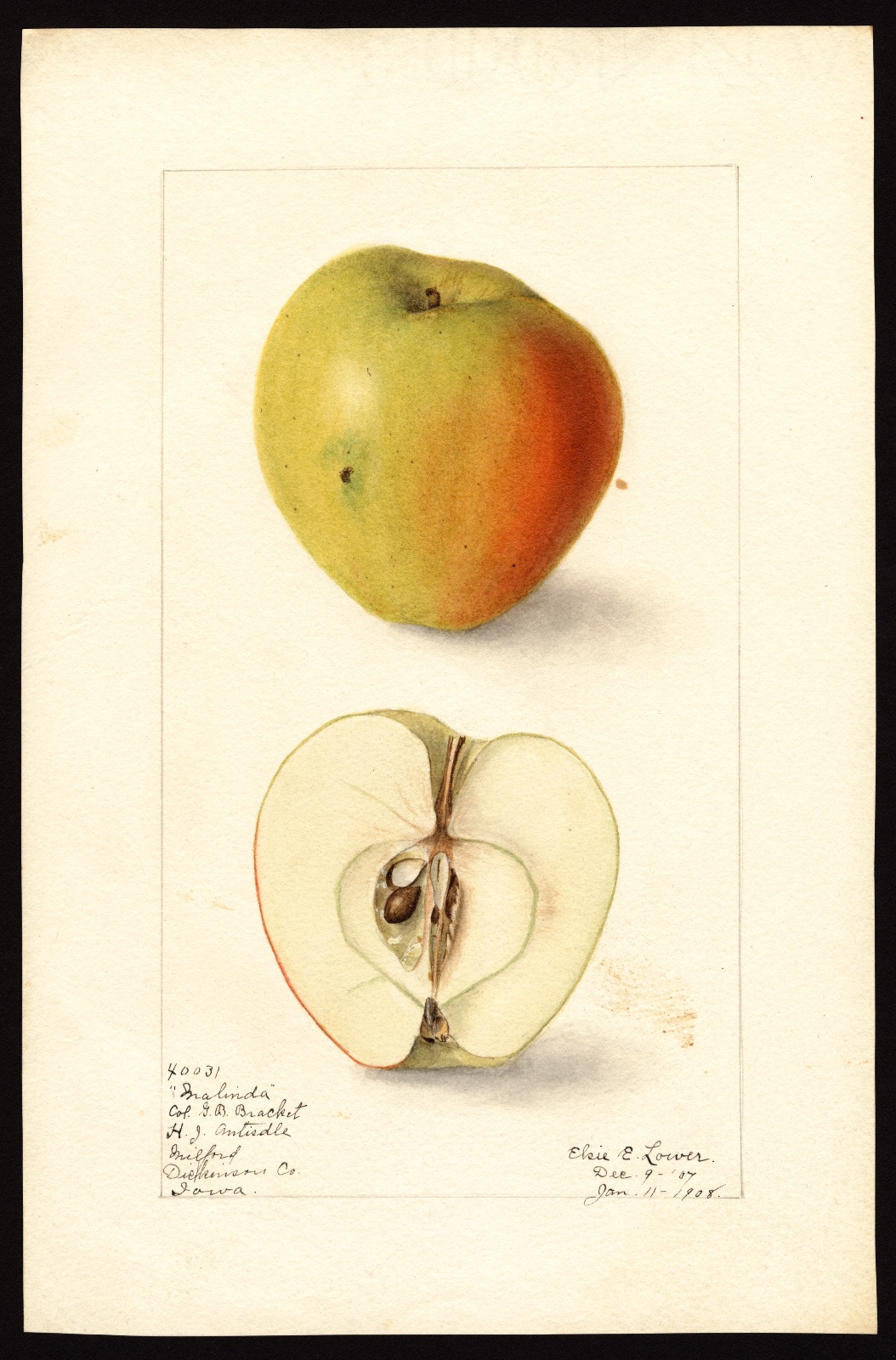
(zones 3-7) "King of Minnesota Apples".
Available on both Bud 9 and MM111 Rootstock.
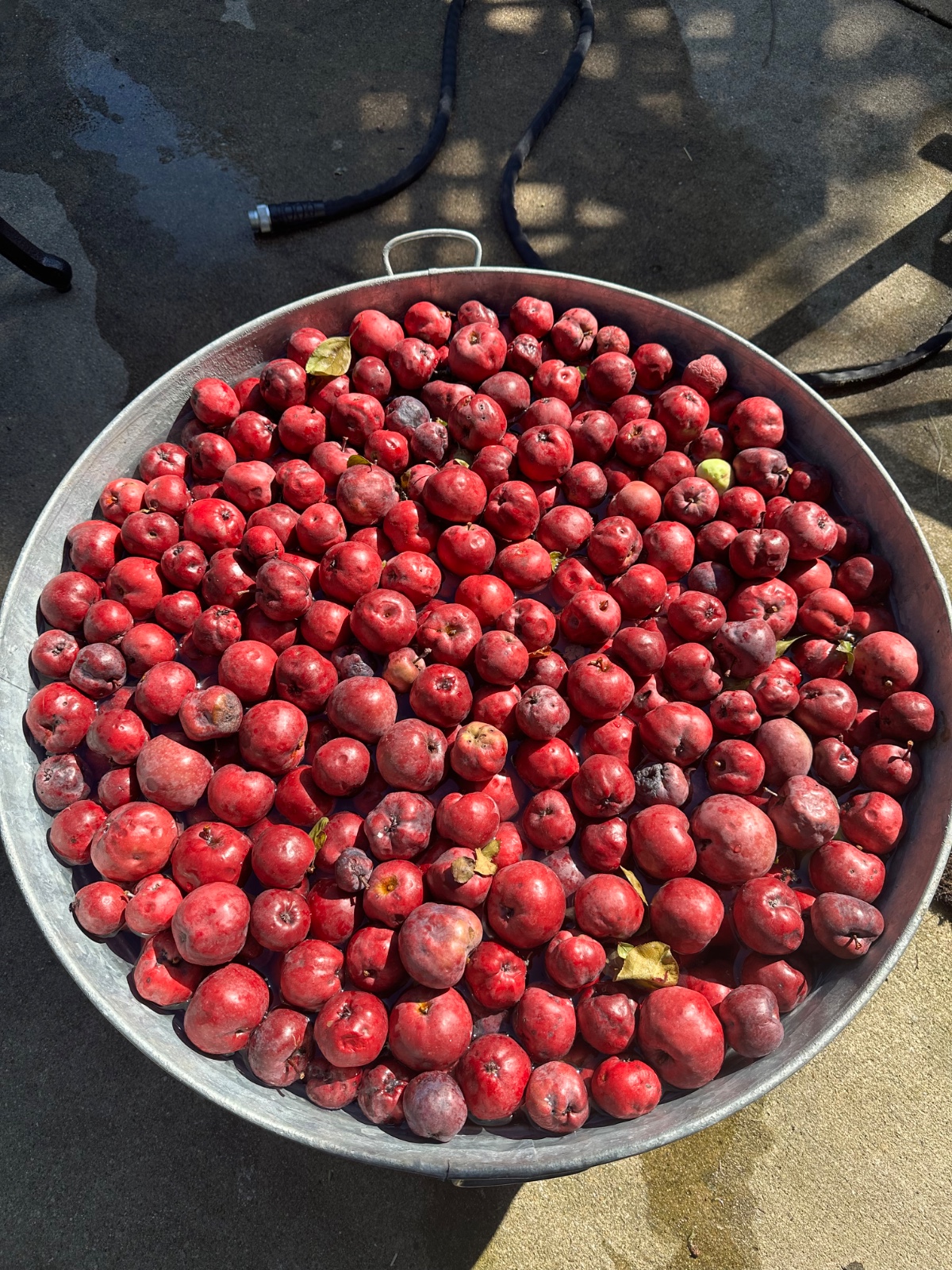
Plant a Piece of Orchard History: The Legendary Malinda Apple Tree Discover the rugged, frost-defying heirloom that changed American fruit breeding forever. Whether you are building a cold-hardy homestead orchard or collecting rare heritage varieties, the Malinda Apple Tree delivers unmatched winter resilience and classic charm. Rich Heritage Originating in Orange County, Vermont, in the mid-1800s and carried west to Minnesota homesteads in 1858, Malinda earned its reputation as the "King of Minnesota Apples". While rare in commercial orchards today, its genetics live on as the foundational parent behind iconic modern varieties like Honeycrisp, Haralson, Beacon, and Sweet Sixteen. Flavor & Texture Known affectionately as the "Pear Apple," Malinda produces medium-to-large, conical fruit with smooth golden-yellow skin and a warm red blush. Its dense, crisp flesh offers a mild, sweet, subtly pear-like flavor that mellows and sweetens even further after harvest. Best Uses • Winter Storage: An exceptional keeper that holds its quality for 3 months or more in cold storage, improving in sweetness over time. • Fresh Eating & Snacking: Mild, low-acid sweetness makes it a great everyday table apple straight from the cellar. • Cooking & Cider: Holds up well in baked goods, applesauce, and sweet cider blends. Growing Specs & Pollination • USDA Hardiness Zones: Zones 3–7 (thrives in harsh northern winters and tolerates late frosts without losing fruit quality). • Chill Hours: High chill requirement (approx. 800–1,000 hours below 45°F). • Bloom Time: Mid-season bloomer. • Pollination Partners: Not self-fertile—requires another mid-season blooming apple or crabapple nearby for cross-pollination. Top partners include Honeycrisp, Haralson, Wealthy, Golden Delicious, Granny Smith, or Dolgo Crabapple. Trees are bench grafted 1/4-3/16 inch diameter and 1 1/2 to 2 feet tall when shipped.
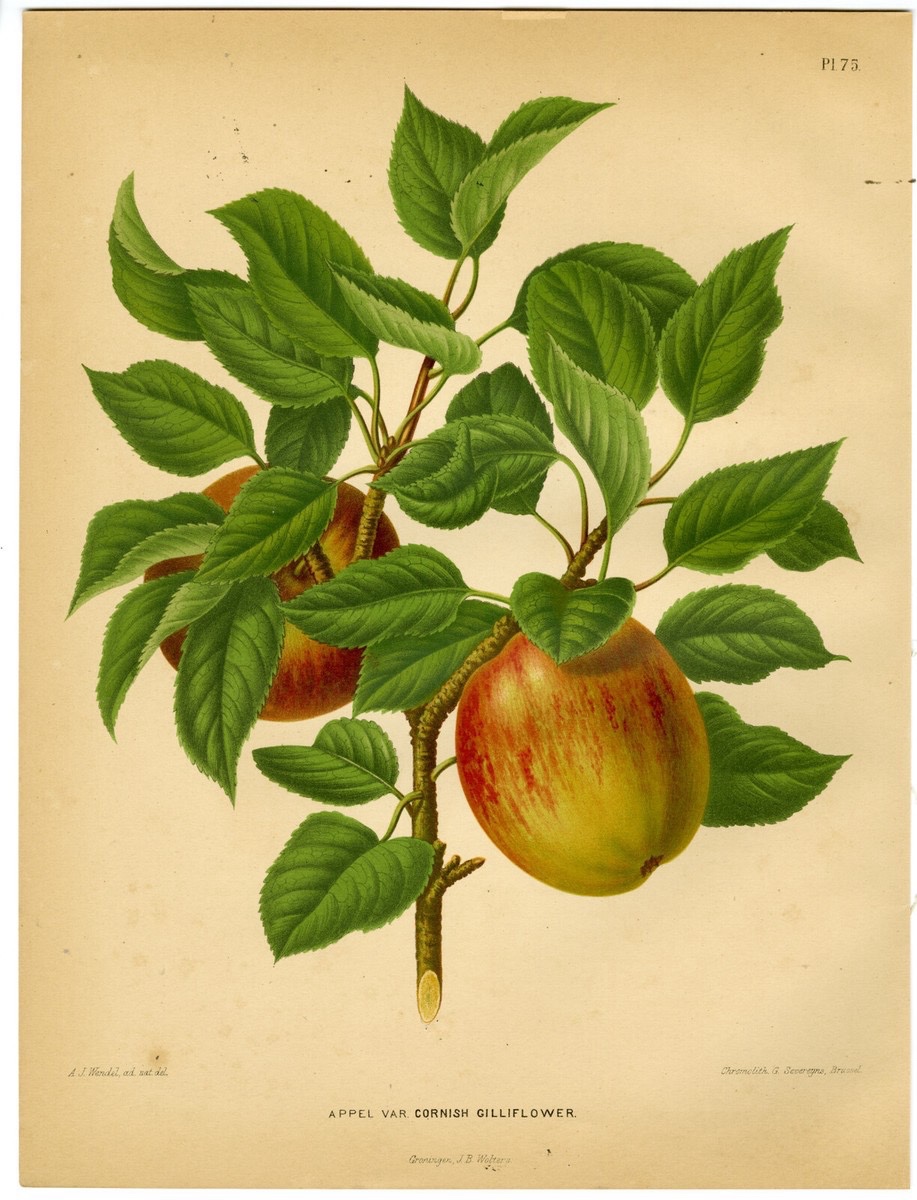
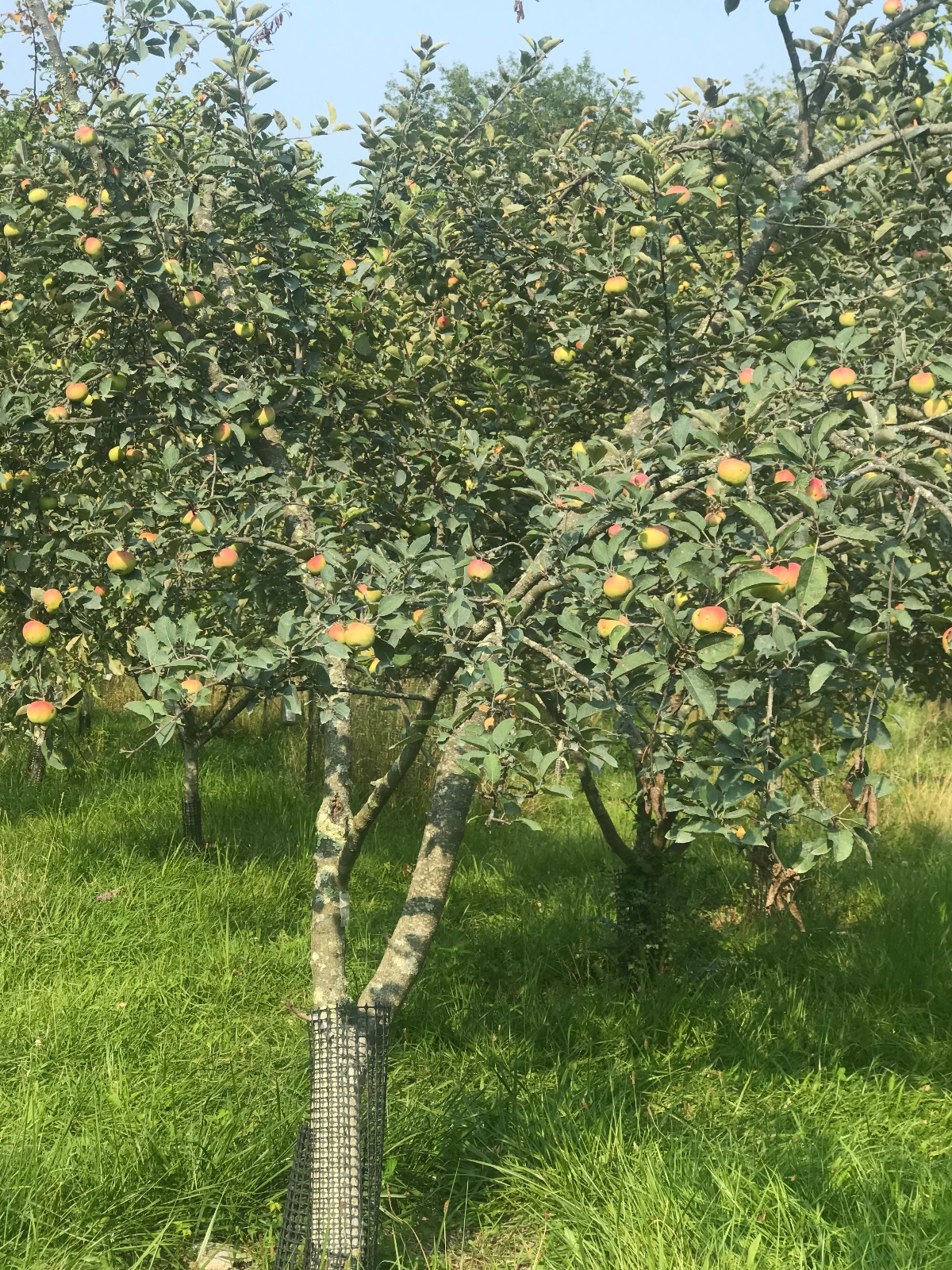
(Zones 3-8) An excellent tasting apple for fresh eating in norther climates