SMALL BATCH
HERITAGE TREES
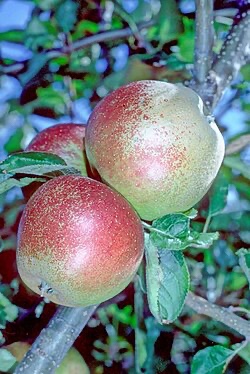
Karmijin de Sonnaville Apple Tree
(Zones 4-9) delivers rich, intense punch of natural sugars and citrusy tang
ROOTSTOCK
Available on both Bud 9 and MM111 Rootstock.
1
NO FILLERS
SMALL BATCH
SHIPS WITHIN THE USA
OUR STORY
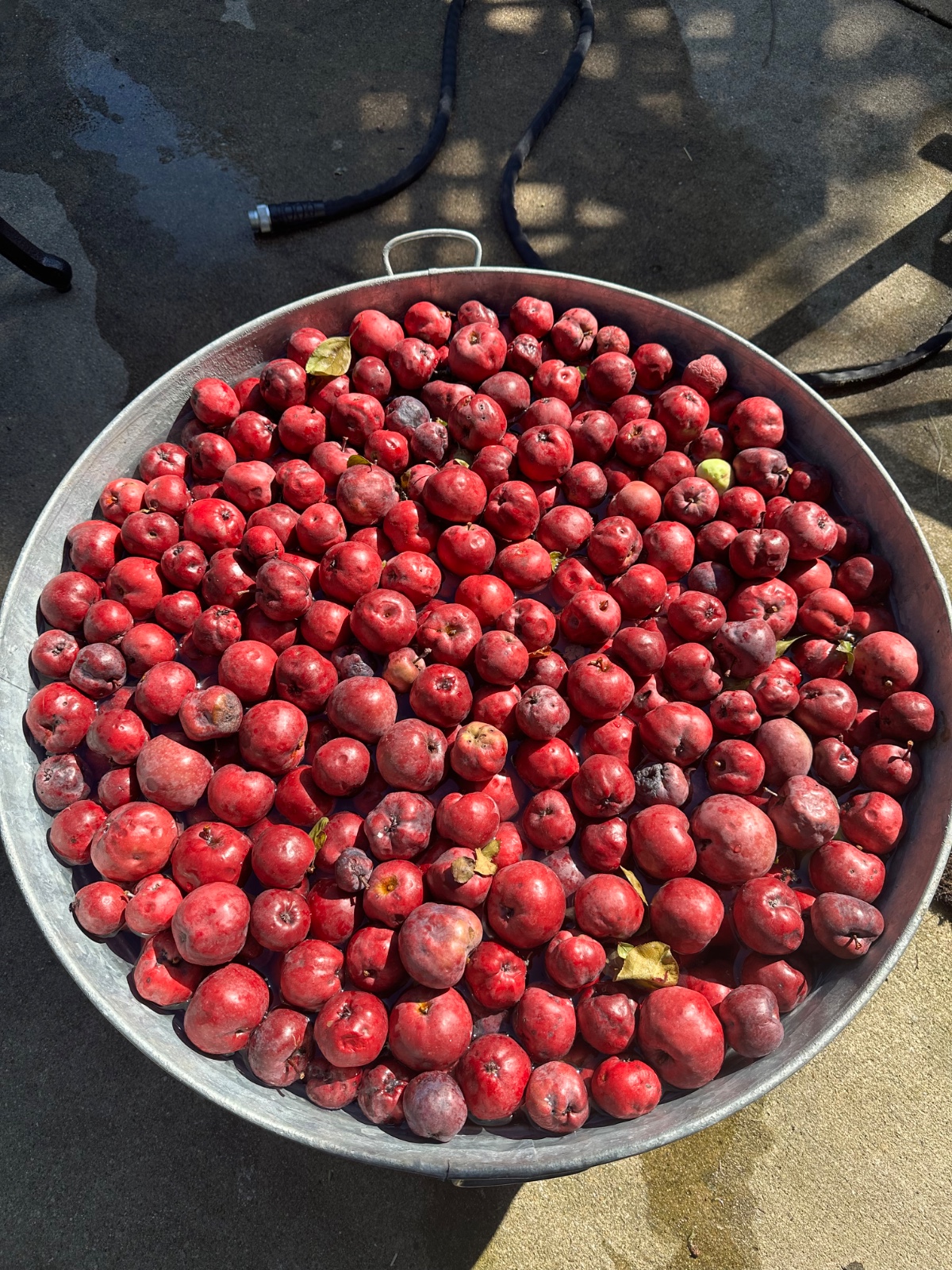
Karmijn de Sonnaville Apple Tree An heirloom Dutch variety prized by orchardists and apple enthusiasts for its bold, complex flavor. History Karmijn de Sonnaville (pronounced car-mine duh son-uh-veel) was bred in 1949 at the Wageningen Research Station in the Netherlands by Piet de Sonnaville. By crossing two legendary apples—England’s Cox’s Orange Pippin and America’s Jonathan—he created a standout cultivar that was officially released to growers in 1971. Flavor & Appearance This is not a mild, sugary grocery-store apple. Karmijn de Sonnaville delivers a rich, intense punch of both natural sugars and bright acidity, giving it a complex, slightly citrusy tang. The flesh is crisp, firm, and juicy, wrapped in a striking burnished orange-red skin with rustic, gold-flecked russeting. Right off the tree, the flavor is bold and sharp; letting the apples rest in cool storage for about a month allows the acidity to mellow into a smoother, aromatic sweetness. Best Uses • Fresh Eating: Best for those who love a sharp, richly flavored dessert apple. • Hard Cider: High sugar content (around 14.8 Brix) and brisk acidity make it a sought-after cider apple. • Baking & Cooking: Holds its firm texture and bright flavor well in pies, tarts, and sauces. • Storage: Keeps well for 1 to 4 months in cold storage. Growing Details & Specs • USDA Hardiness Zones: Zones 4–9 (performs best in regions with moderate summer heat). • Chill Hours: Estimated at 700–1,000+ hours (roughly 900 hours below 45°F). • Bloom Time: Midseason (Pollination Group D / Group 4). • Pollination Requirements: Karmijn de Sonnaville is a triploid variety, meaning its pollen is sterile and cannot pollinate other trees. To get a good fruit set, you must plant two other compatible, midseason-blooming apple or crabapple varieties nearby. • Recommended Pollination Partners: Honeycrisp, Esopus Spitzenburg, Liberty, Grimes Golden, Black Oxford, or midseason crabapples. (Note: Avoid pairing it with Cox’s Orange Pippin or Alkmene, as they are too closely related). Trees are bench grafted 1/4-3/16 inch diameter and 1 1/2 to 2 feet tall when shipped.
INGREDIENTS
You may also enjoy
HERITAGE TREES
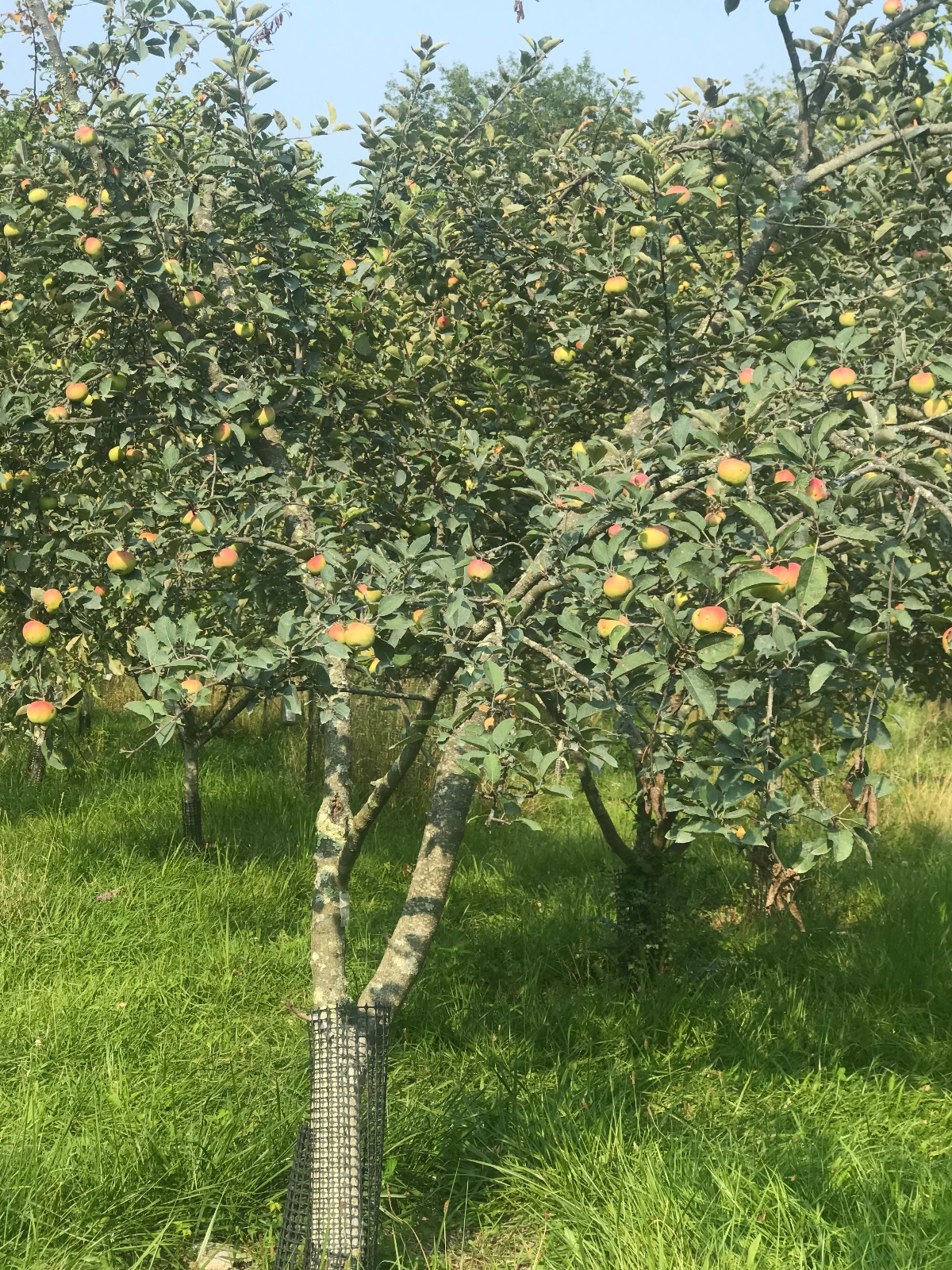
Keepsake Apple Tree
(Zones 3-8) An excellent tasting apple for fresh eating in norther climates
HERITAGE TREES
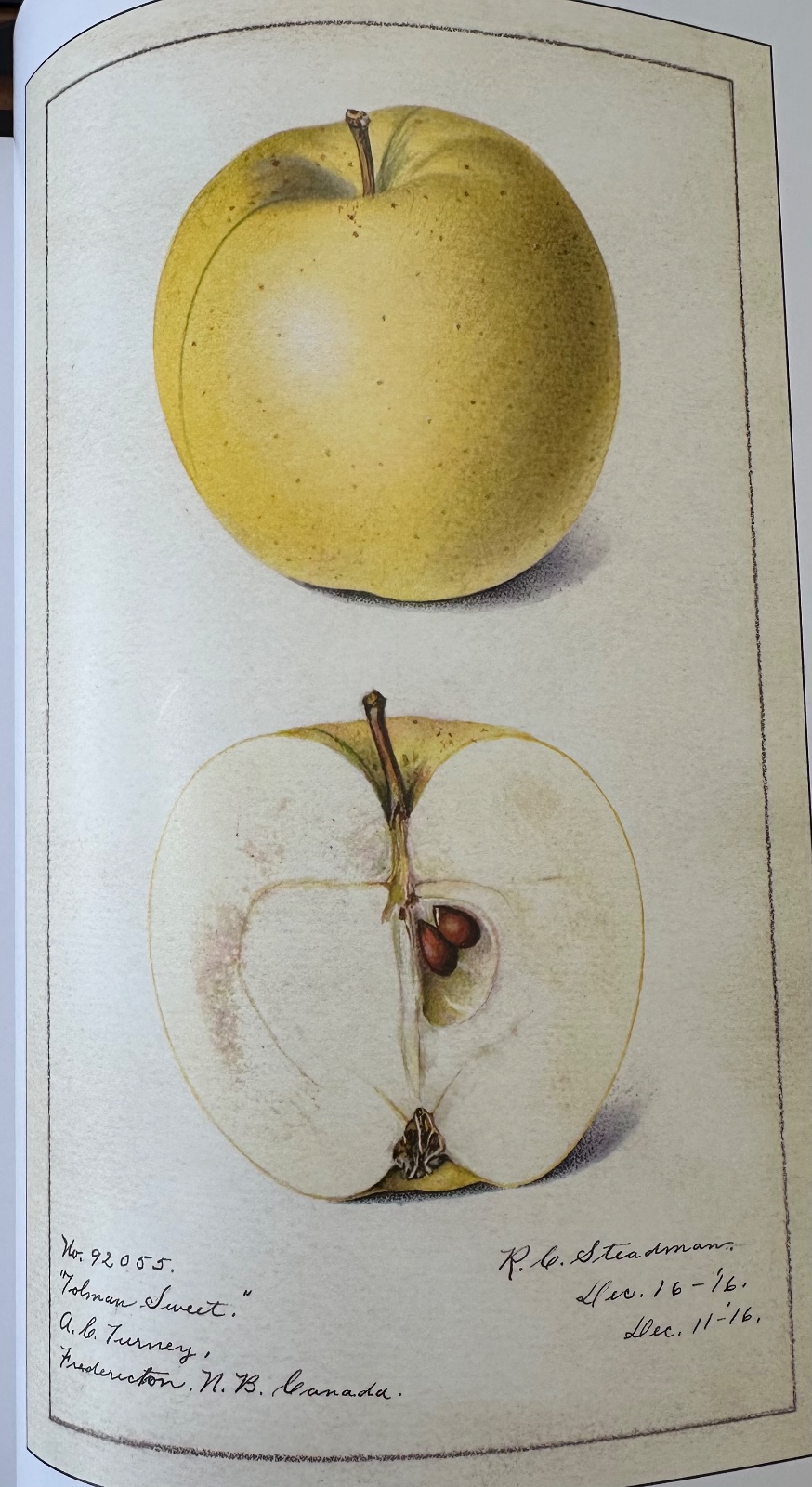
Tolman Sweet Apple Tree
(zones 4-8) known for its high sugar content, very low acidity, and exceptional hardiness.