SMALL BATCH
HERITAGE TREES
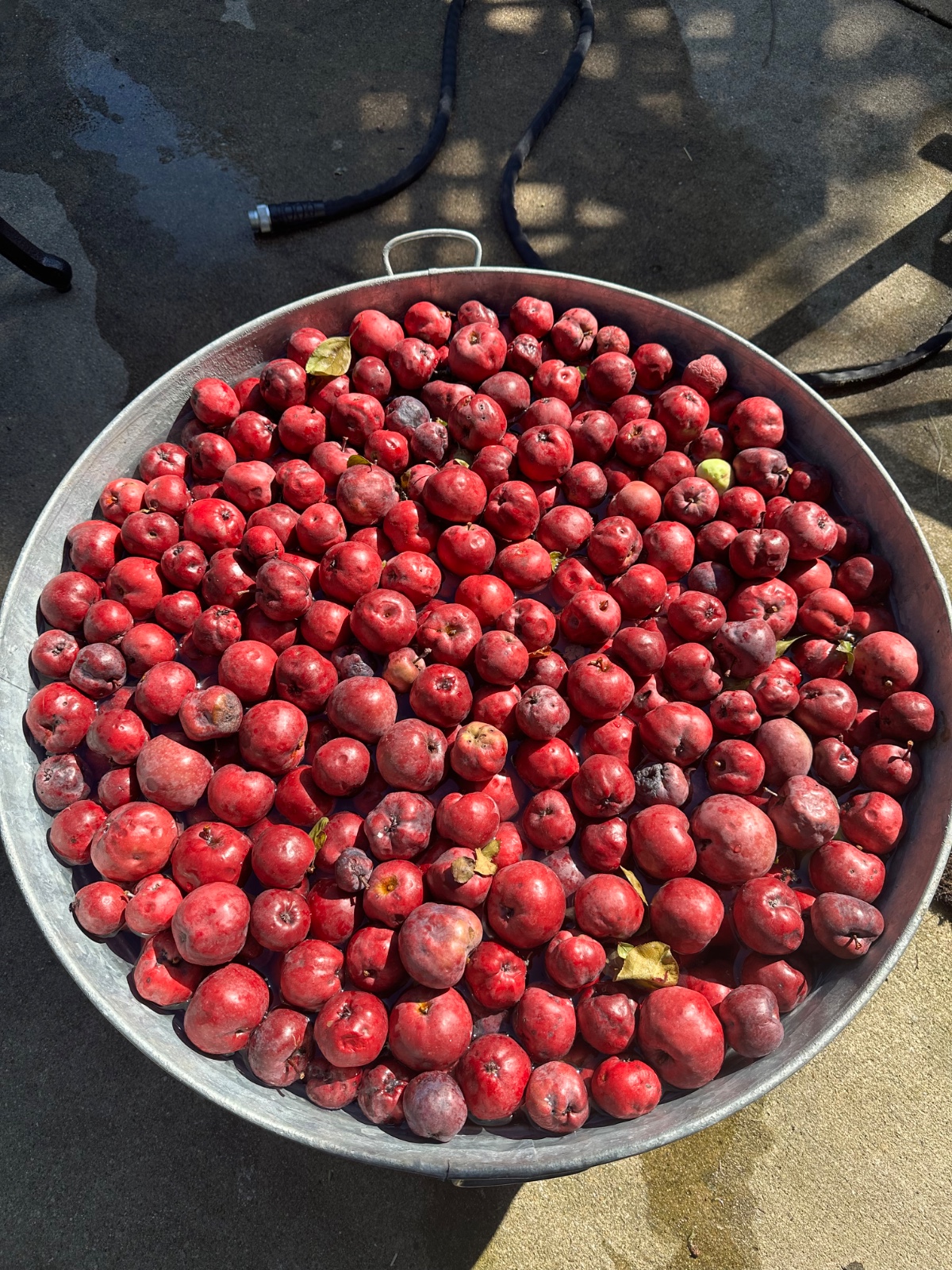
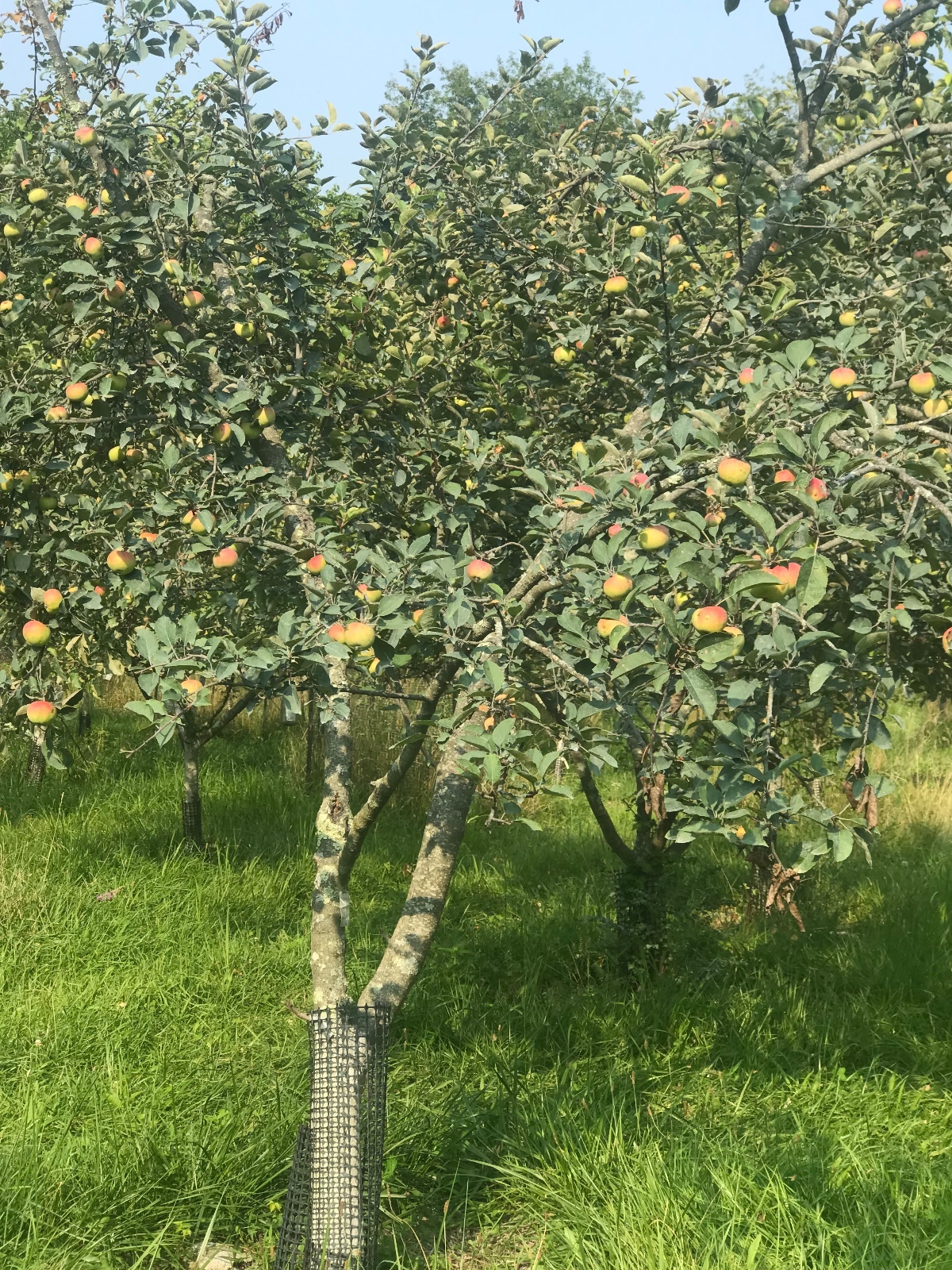
Hawaii Apple Tree
(zones 5-11) unmistakable aroma and tang of fresh pineapple.
ROOTSTOCK
Available on both Bud 9 and MM111 Rootstock.
1
NO FILLERS
SMALL BATCH
SHIPS WITHIN THE USA
OUR STORY
Hawaii Apple Tree (Malus domestica 'Hawaii') A Tropical Twist on a Classic Heirloom Apple History & Origin Despite its island-inspired name, the Hawaii apple was bred in Sebastopol, California, in 1945 by crossing two legendary varieties: Golden Delicious and Gravenstein. Introduced to orchards for its exceptional sweetness and adaptability, it quickly earned a devoted following among warm-climate growers. Flavor & Kitchen Uses Biting into a ripe Hawaii apple delivers crisp, firm, yellow flesh packed with sugary juice and an unmistakable aroma and tang of fresh pineapple. That signature tropical flavor intensifies in sunny, warm climates. Harvested in mid-to-late September, these medium-to-large, pinkish-blushed golden apples shine in fresh eating, salads, pies, and homemade cider, and they keep well for one to two months in cold storage. Growing Specifications • USDA Hardiness Zones: 5–11 • Chill Hours: Low chill (approximately 300–400 hours below 45°F), making it an ideal choice for mild-winter regions where traditional apples struggle to set fruit. • Bloom Time: Midseason • Pollination Partners: Self-sterile; plant near another midseason-blooming diploid apple—such as Golden Delicious, Gala, Fuji, or Dorsett Golden—for reliable fruit set. (Note: Avoid using triploid varieties like Gravenstein as its sole pollinator. Trees are bench grafted 1/4-3/16 inch diameter and 1 1/2 to 2 feet tall when shipped.
INGREDIENTS
You may also enjoy
HERITAGE TREES
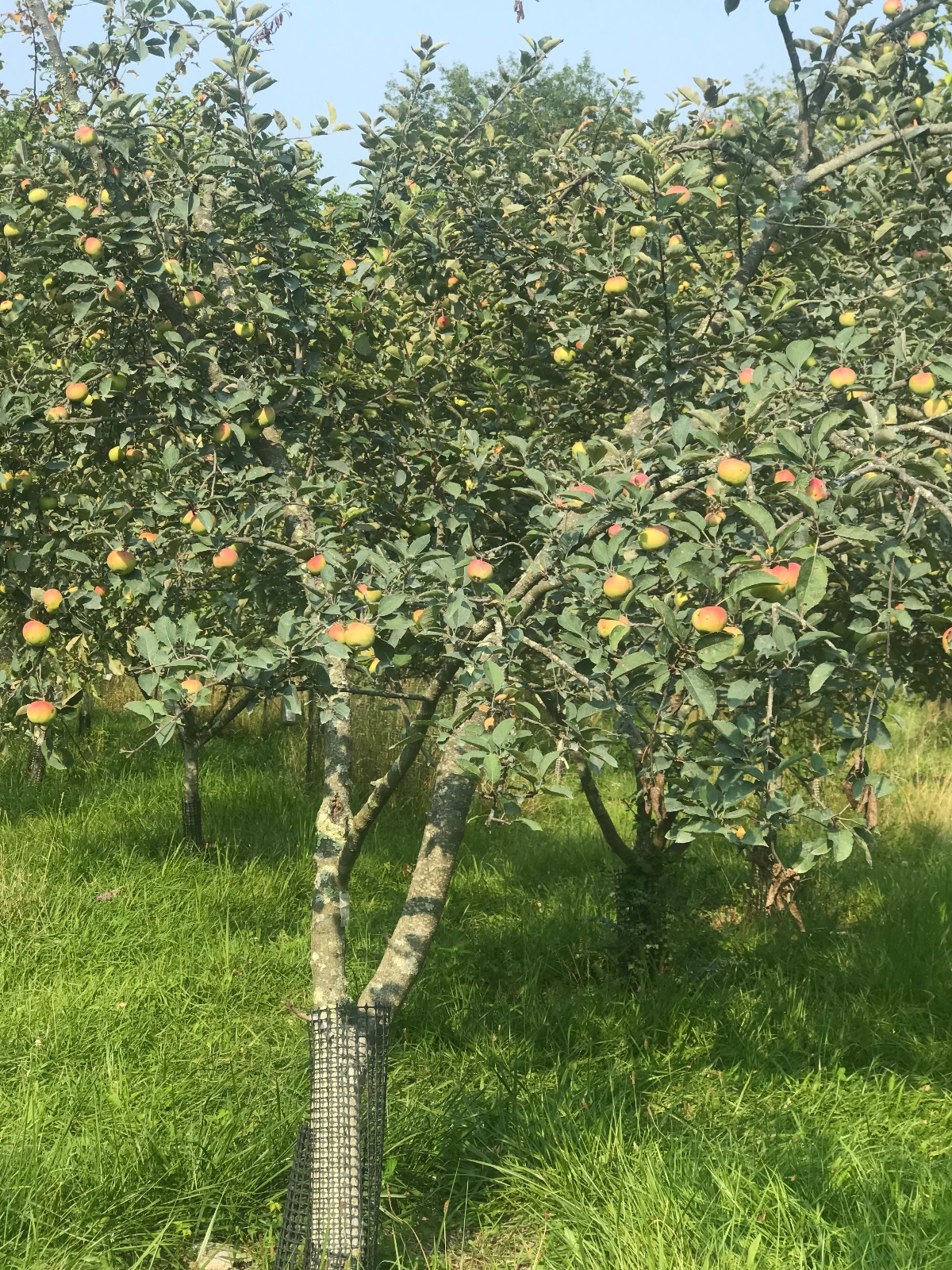
Keepsake Apple Tree
(Zones 3-8) An excellent tasting apple for fresh eating in norther climates
HERITAGE TREES
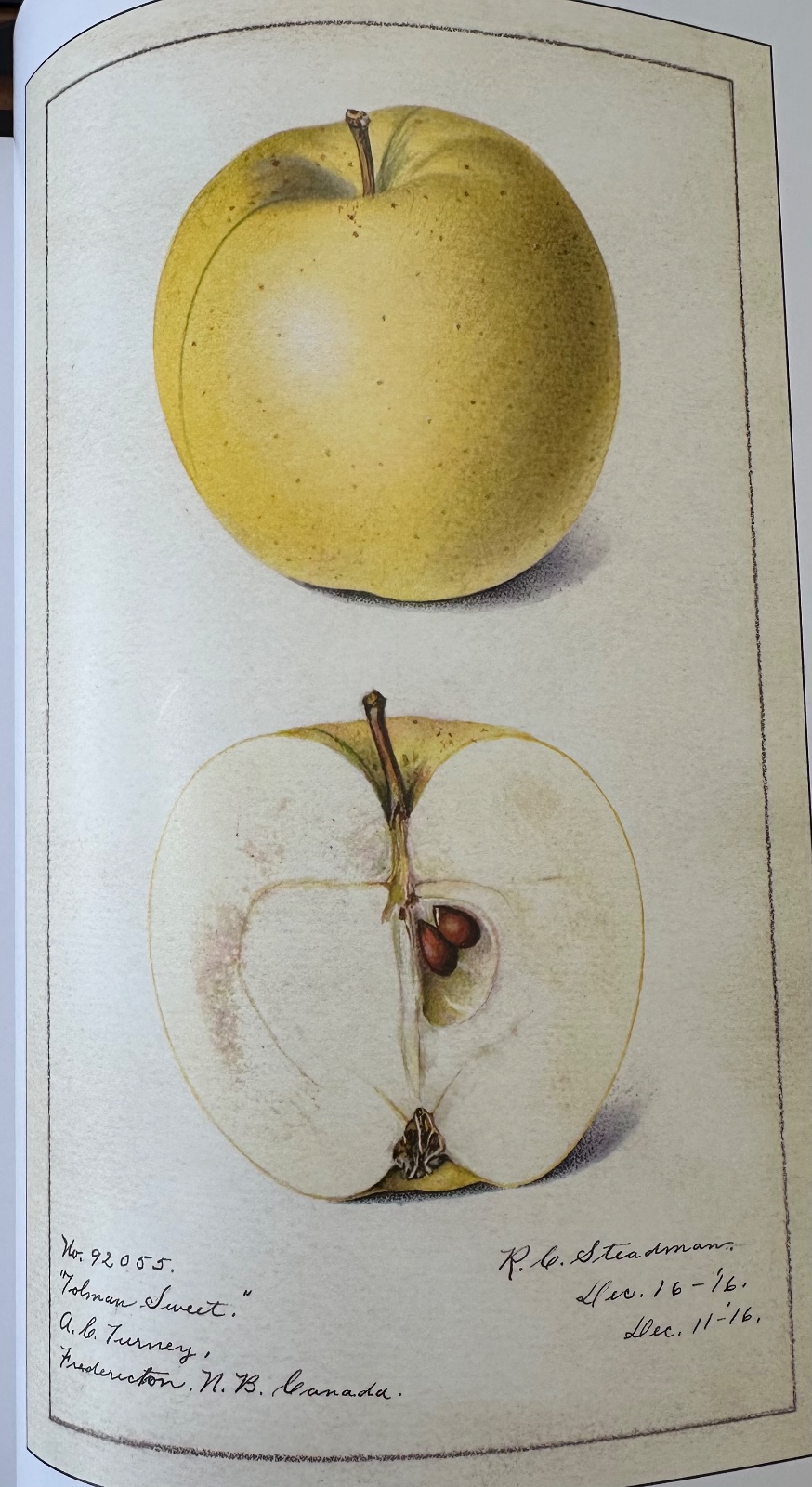
Tolman Sweet Apple Tree
(zones 4-8) known for its high sugar content, very low acidity, and exceptional hardiness.