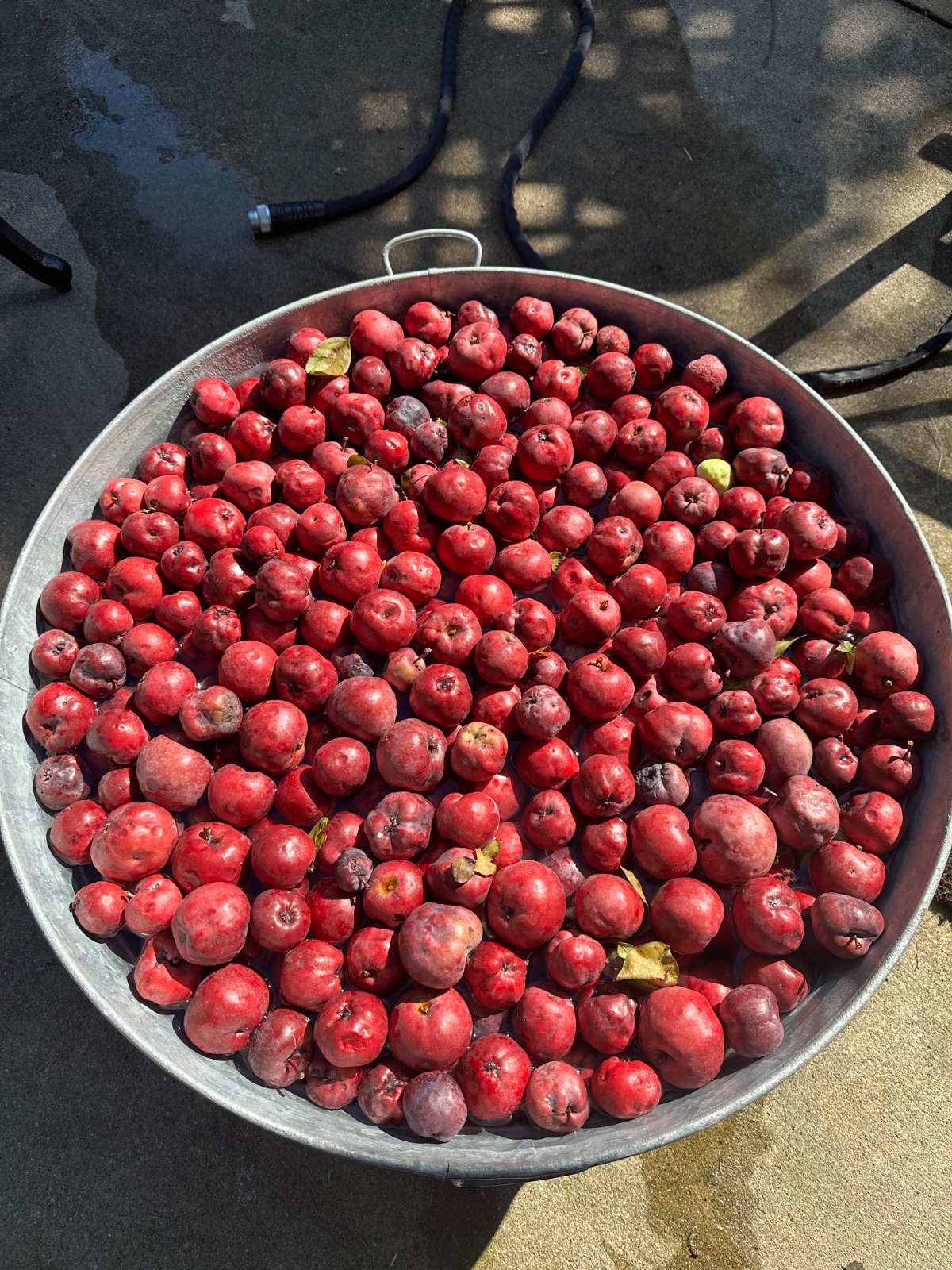
$47.99
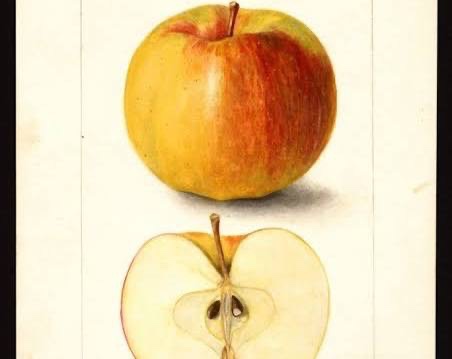
(Zones 4-9) nutty and pear-like undertones, accompanied by a subtle, spicy honey aroma.
Available on both Bud 9 and MM111 Rootstock.
The Golden Pearmain originated as a chance seedling in North Carolina during the first half of the 18th century. The term "pearmain" is one of the oldest classifications of apples, dating back to 1200 AD England. Historically, it denoted apples that were firm, long-lasting, and often somewhat pear-shape. In the early 19th century, the Golden Pearmain caught the attention of Thomas Jefferson. Jefferson, promoted the apple and planted it in his South Orchard at Monticello.• Highly aromatic with a rich, sweet-sharp balance. As you chew, it releases nutty and pear-like undertones, accompanied by a subtle, spicy honey aroma. Sugar Content: It is naturally high in sugars, which is why early Americans favored it for fermenting into strong hard ciders. However, a strong, acidity keeps it from tasting sweet. The Golden Pearmain apple tree thrives best in USDA Hardiness Zones 4 through 9. The Golden Pearmain apple tree has a midseason bloom period. To ensure successful cross-pollination and fruit set, you should plant it near a different apple variety that blooms at the same time.Excellent heirloom and modern companions that share overlapping bloom windows with the Golden Pearmain include: • Cox's Orange Pippin • Jonathan • Gala • Golden Delicious • Calville Blanc d'Hiver Trees are bench grafted 1/4-3/16 inch diameter and 1 1/2 to 2 feet tall when shipped.
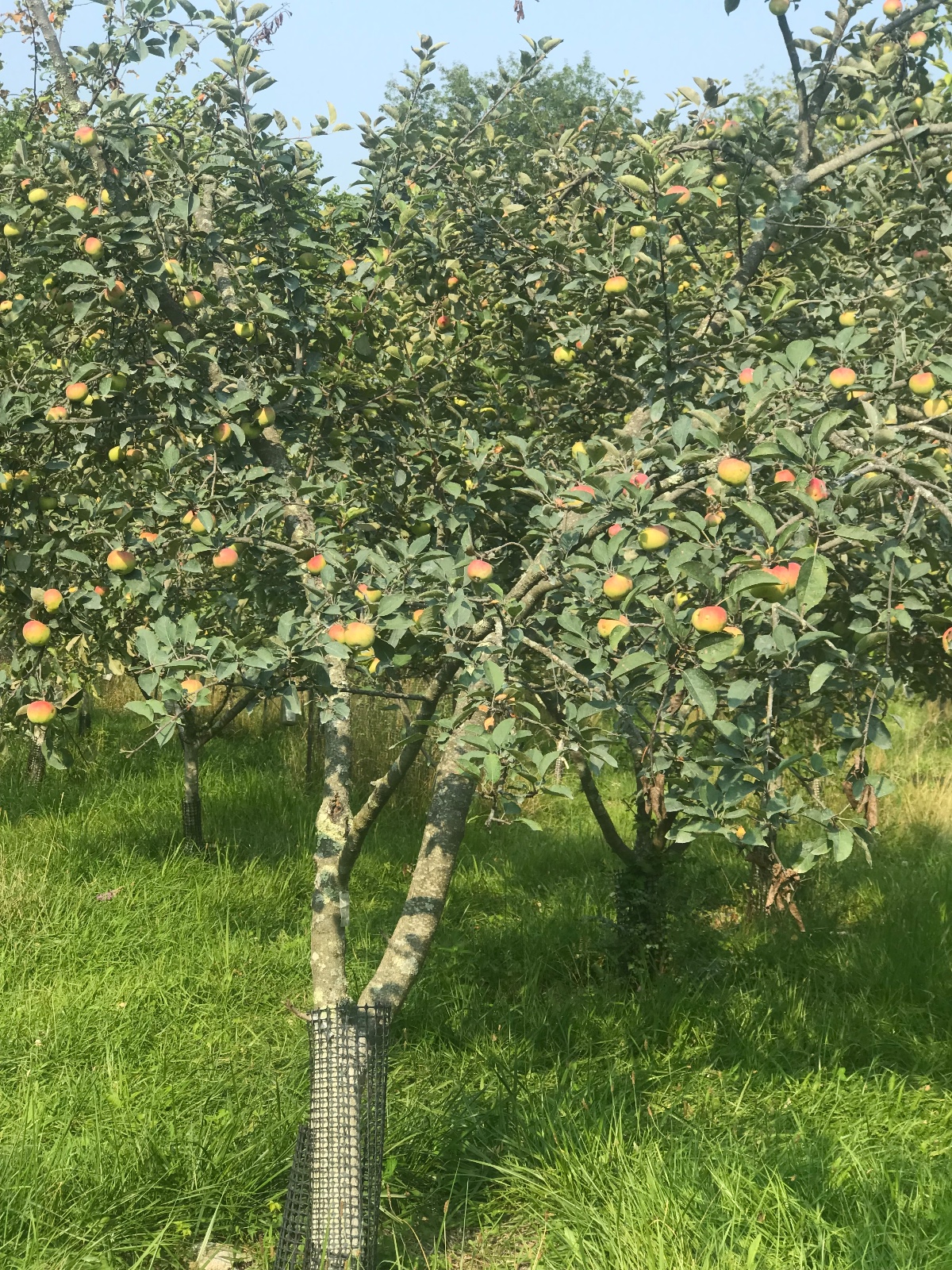
(Zones 3-8) An excellent tasting apple for fresh eating in norther climates
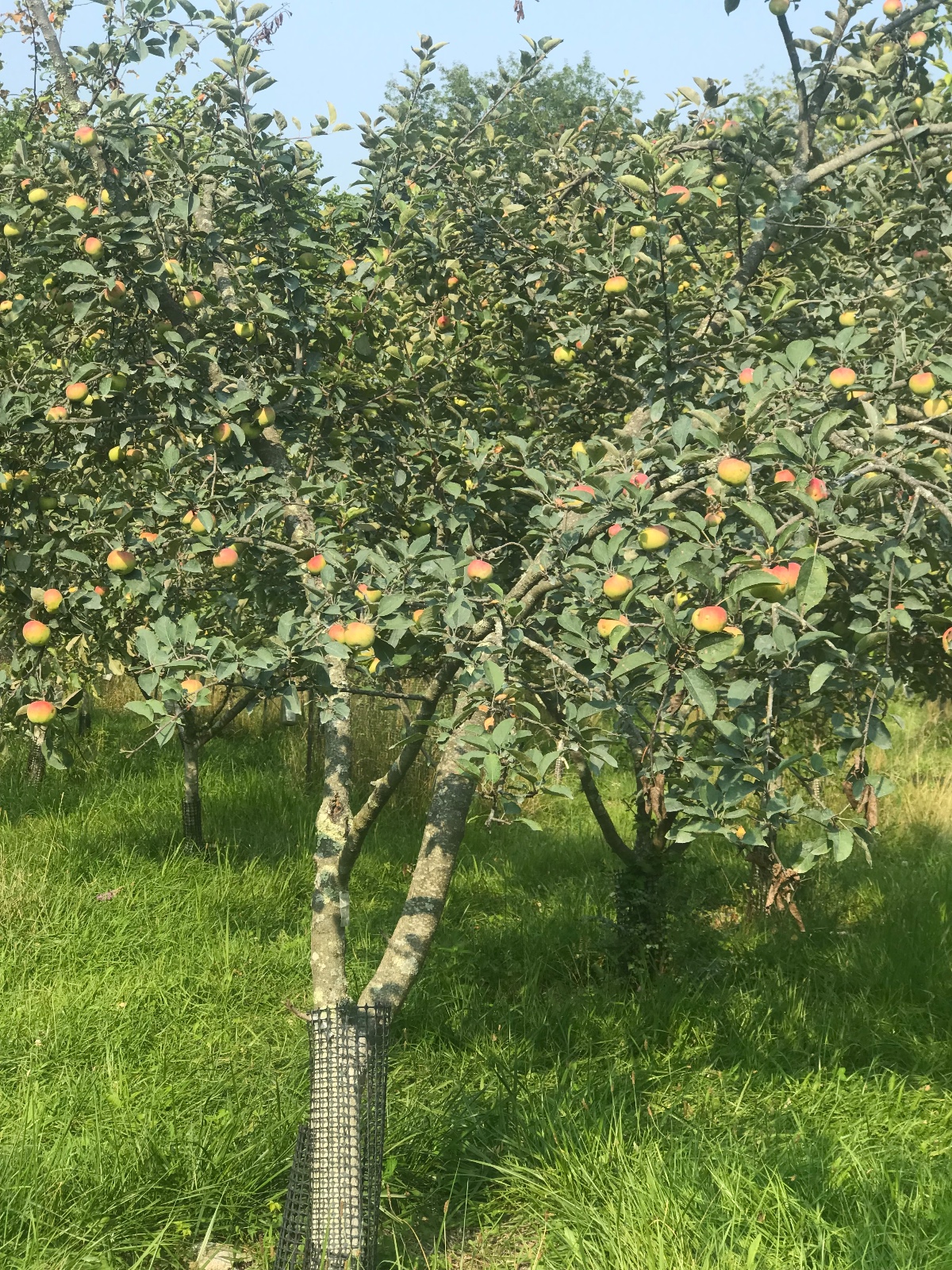
(zones 4-8) Firm, crisp, white flesh with a sweet-tart balance with a subtle pear flavor with hints of honey and vanilla.