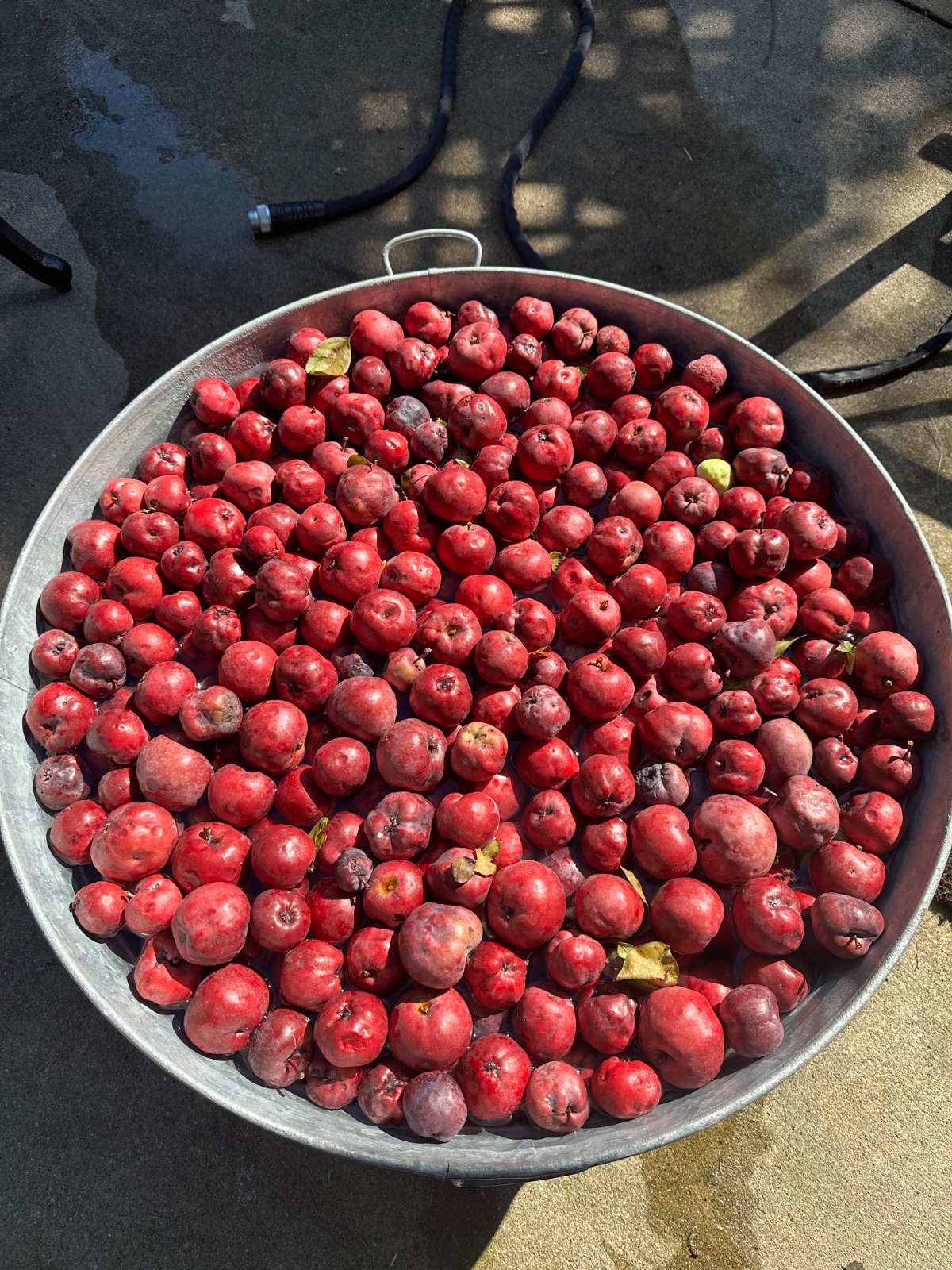
$47.99
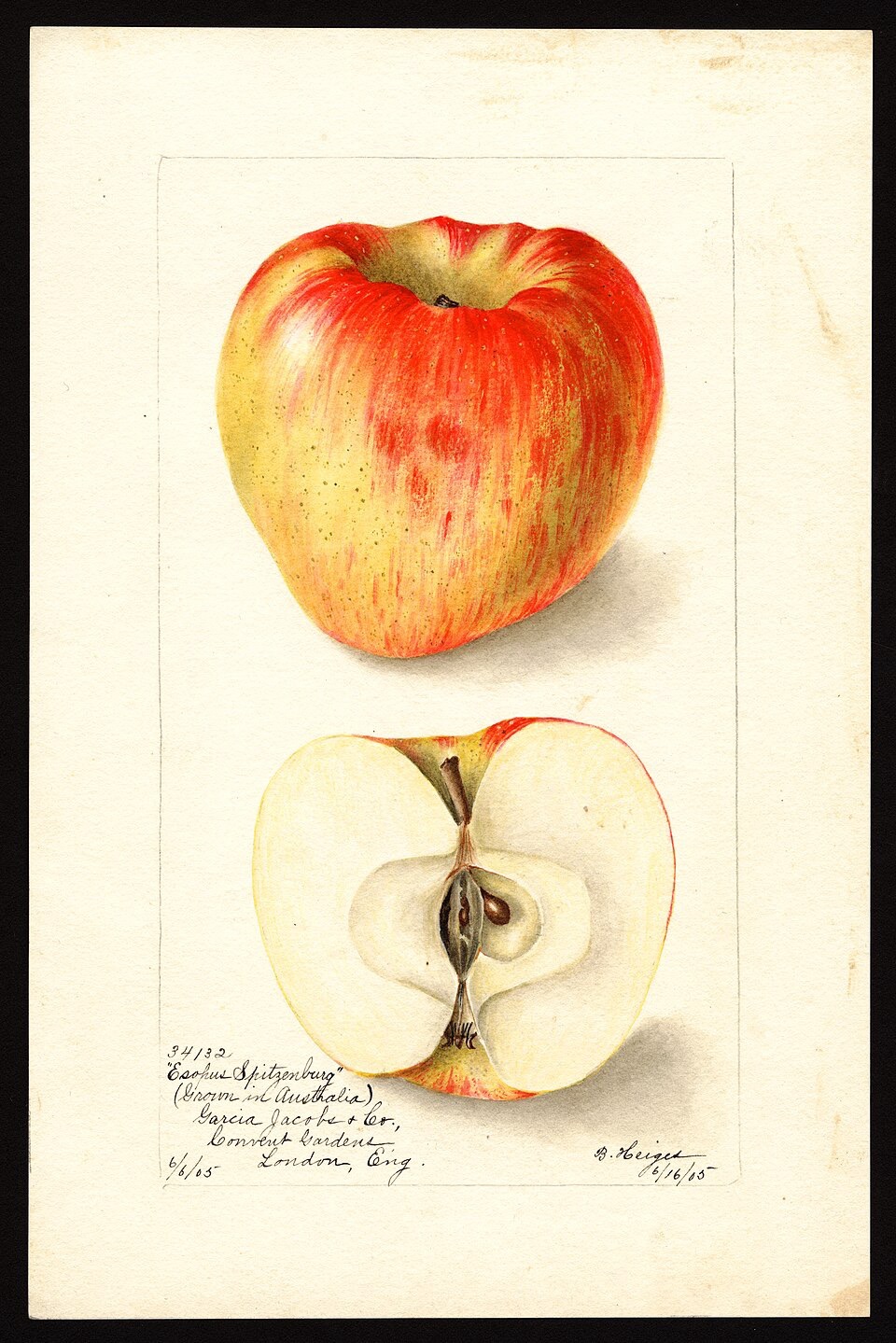
(Zones 4-8)
Available on both Bud 9 and MM111 Rootstock.
Esopus Spitzenburg is a historic American heritage apple discovered as a chance seedling in the 18th century near Esopus, New York, along the Hudson River. It is celebrated by as one of the finest dessert and culinary apples ever grown, and it is famously documented as a preferred favorite of Thomas Jefferson, who planted dozens of the trees at his Monticello estate. Because of its balance of sharp acids, high sugars, and dense texture, it is a highly versatile apple. It is excellent for fresh eating, holds its shape beautifully when baked into pies or tarts, and is heavily sought after by craft cider makers to add complex tannins and a zippy acidity to hard cider blends. Thrives best in USDA Hardiness Zones 4 through 8. This cultivar blooms in the mid-to-late spring. Esopus Spitzenburg is self-sterile, meaning it requires a cross-pollination partner planted nearby to reliably set fruit. To successfully cross-pollinate, you must pair it with a different apple variety that blooms during the same mid-to-late window.Excellent, highly compatible pollination partners include: • Fuji (Mid-to-late bloom) • Gala (Mid-to-late bloom) • Golden Delicious (Late-mid bloom) • Jonathan (Mid-season bloom; ironically, a direct genetic descendant of the Spitzenburg) • Granny Smith (Late-mid bloom) • White Flowering Crabapples (Such as Dolgo or Wickson, which make universal pollinators because they bloom profusely over an extended window. Trees are bench grafted 1/4-3/16 inch diameter and 1 1/2 to 2 feet tall when shipped.
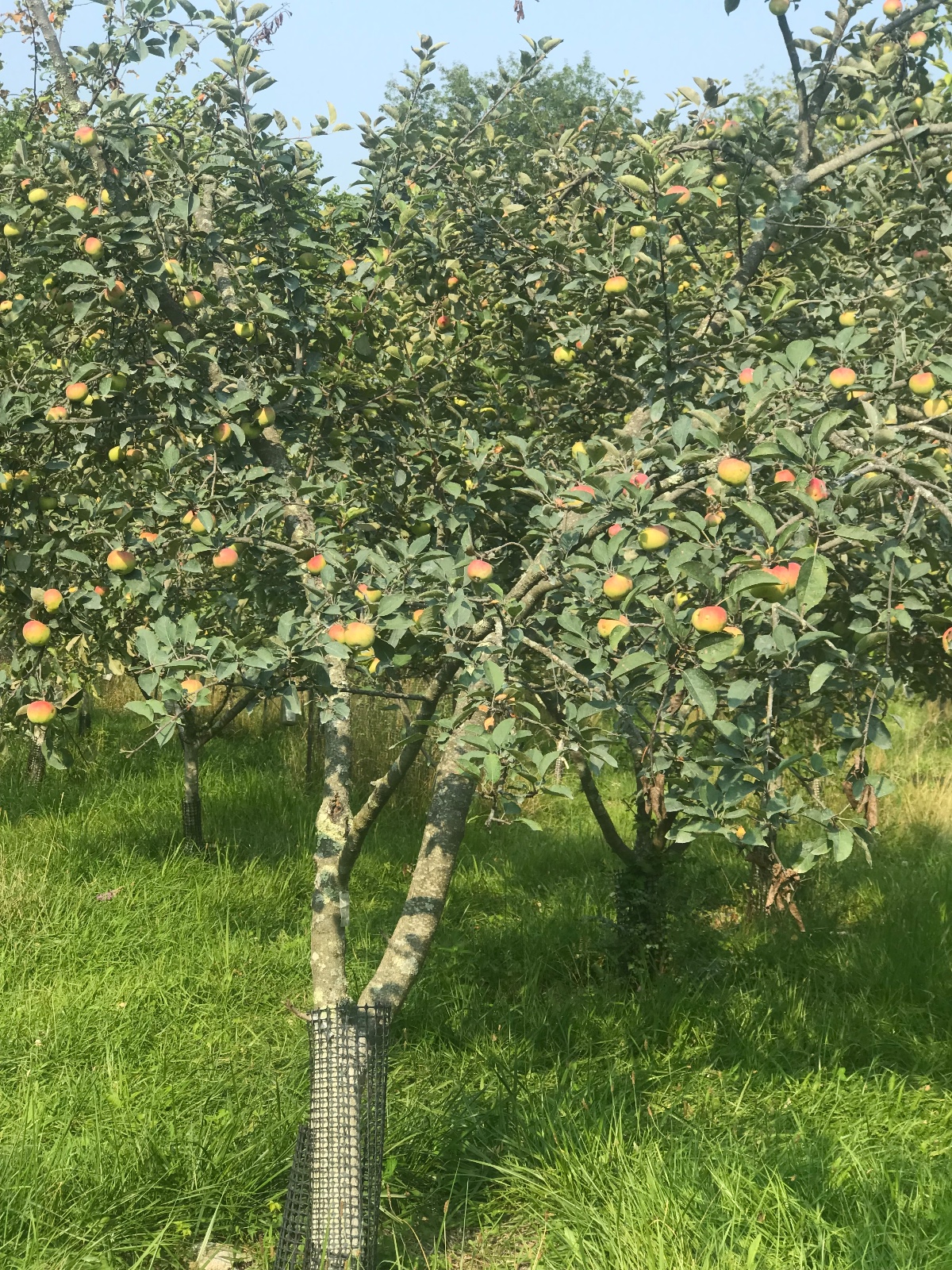
(Zones 3-8) An excellent tasting apple for fresh eating in norther climates
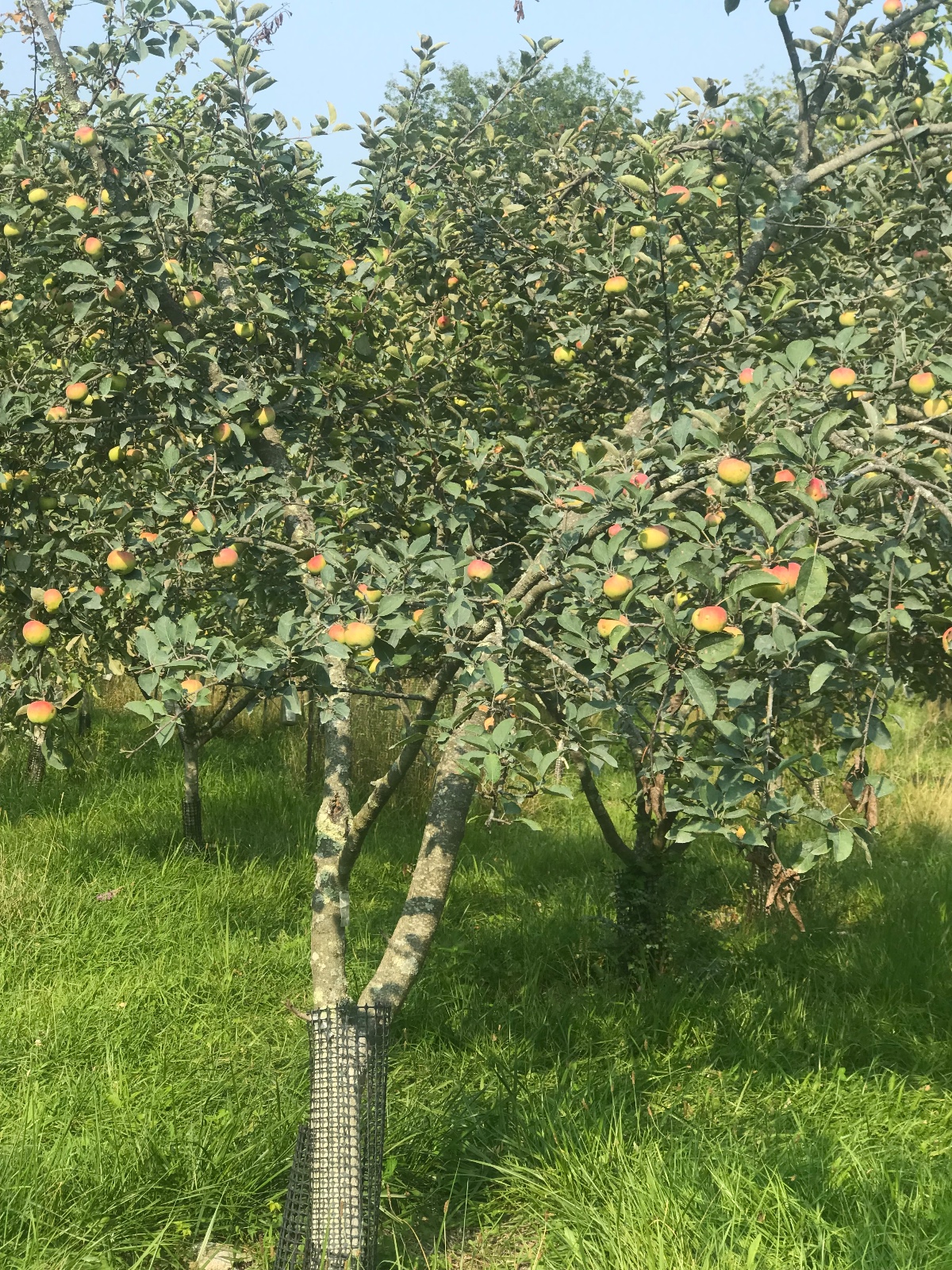
(zones 4-8) Firm, crisp, white flesh with a sweet-tart balance with a subtle pear flavor with hints of honey and vanilla.