$47.99
(zones 5-9) fragrant apricot aftertaste.
Available on both Bud 9 and MM111 Rootstock.
Discovered as a unique chance seedling in West Salem, Oregon during the late 1980s, this rare heirloom has spent decades captivating fruit connoisseurs. It represents the best of American pomological history—a happy accident of nature that combined rugged resilience with an unforgettable flavor profile. 👅 An Unrivaled Flavor Profile Do not let the name fool you—this is a true apple, but with a tropical twist. • The Taste: A perfect balance of sweet and tart that finishes with a unmistakable, fragrant apricot aftertaste. • The Texture: Coarse, incredibly dense, and exceptionally crisp. Every bite delivers a satisfying, heavy crunch. • The Look: Medium-to-large, slightly flattened fruits featuring a beautiful greenish-yellow skin, blushed with orange and kissed by bright red stripes. 🥧 Exceptional Culinary Uses Thanks to its uniquely dense, hard flesh, the Apricot Apple is a legend in the kitchen. • Baking: It holds its shape perfectly under high heat, making it the premier choice for pies, tarts, and galettes. • Cider & Juices: It adds a complex, aromatic depth to fresh-pressed cider blends. • Fresh Eating: A stellar dessert apple for those who love a dense, firm fruit with complex flavor notes. 🌳 Growing Profile & Care • USDA Zones: Zones 5 through 9. This tree is highly adaptable, thriving in both chilly northern climates and warmer temperate regions. • Chill Hours: Requires 800 to 1,000 chill hours below 45°F (7°C) for optimal fruit set. • Bloom Time: Mid-to-late spring (typically mid-Season / Bloom Group 3 or 4). Its late bloom protects the delicate blossoms from erratic early frost damage. • Pollination Partners: It is not self-fertile and requires a pollination partner that blooms at the same time. Excellent partners include Honeycrisp, Fuji, Gala, or a mid-season White Flowering Crabapple. Trees are bench grafted 1/4-3/16 inch diameter and 1 1/2 to 2 feet tall when shipped.
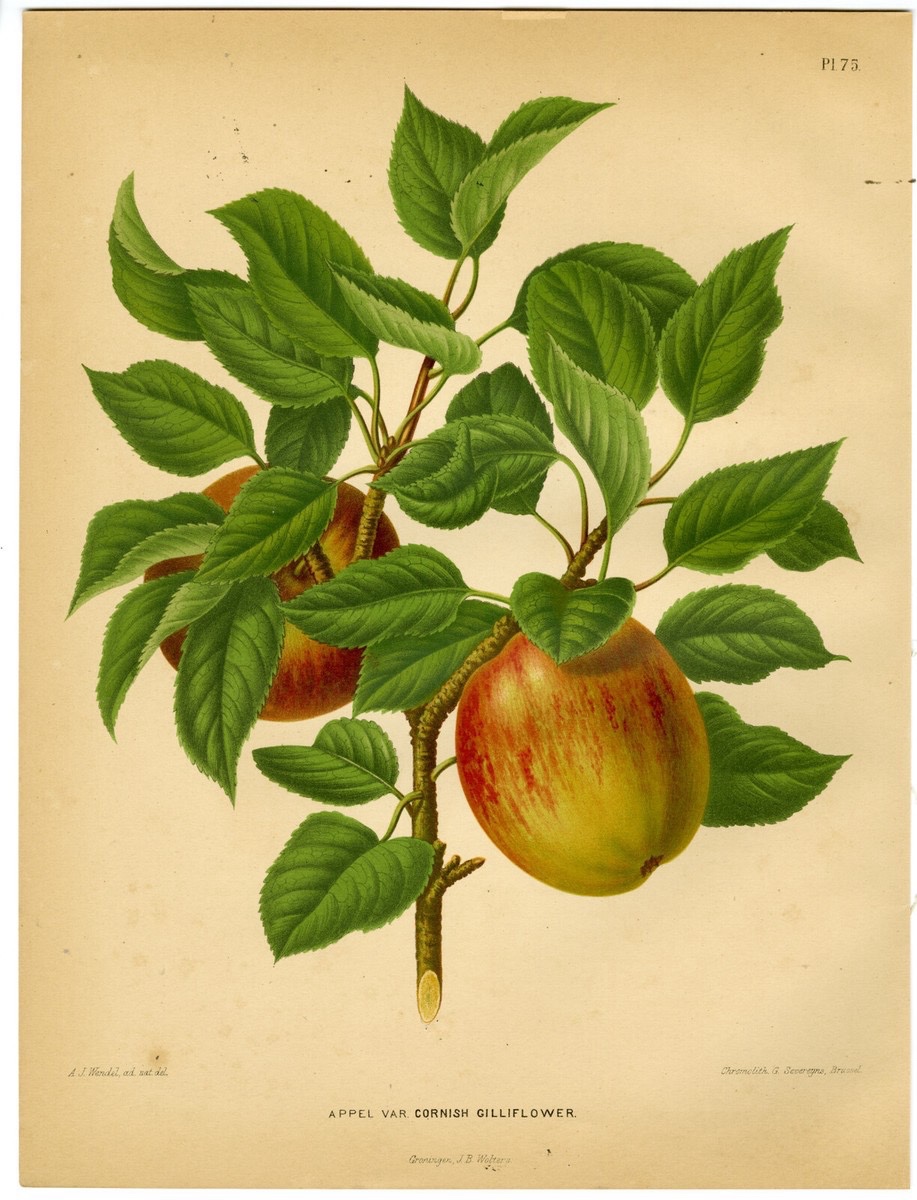
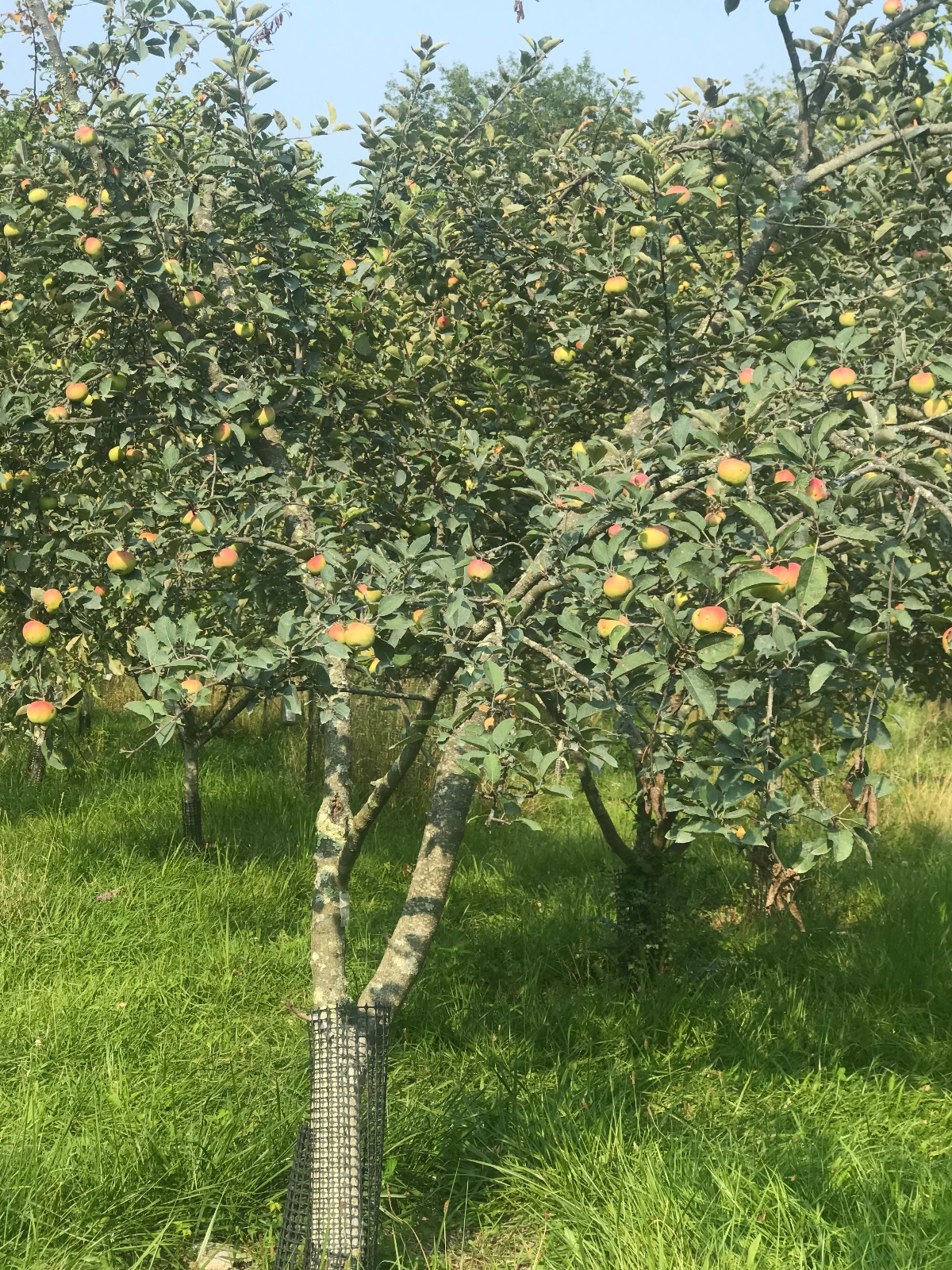
(Zones 3-8) An excellent tasting apple for fresh eating in norther climates