$47.99
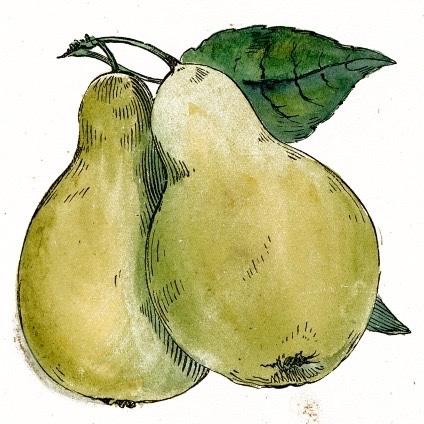
(zones 5-8) prized for rich, grit-free sweetness
Maxine Pear Tree (Pyrus communis 'Maxine') An heirloom favorite prized for rich, grit-free sweetness and superior orchard reliability. A Century of Orchard Heritage Discovered around 1900 as a chance seedling in Preble County, Ohio, the Maxine pear quickly earned a reputation among growers as a standout alternative to traditional European varieties. First propagated by E.M. Buechly of Greenville, Ohio, it has stood the test of time for over a century—celebrated for vigorous growth, heavy yields, and exceptional natural resistance to fire blight. (Note: Avoid using the trademarked synonym "Starking® Delicious" in commercial listings to keep your copy completely free of registered trademarks.) Flavor & Kitchen Uses Bite into a fresh Maxine pear and you will discover smooth, white flesh that is completely free of grit. Its crisp-yet-buttery texture delivers a rich, honeyed sweetness with just enough bright acidity to balance the flavor. Medium-to-large in size with attractive green-gold skin and fine russeting, Maxine pears resist bruising and store beautifully for up to three months in cool conditions. They are an ideal all-purpose fruit for: • Fresh Eating: Crisp, juicy, and flavorful right off the counter or out of cold storage. • Baking & Roasting: Holds its shape and rich flavor in tarts, crisps, and spiced pear desserts. • Canning & Preserving: Makes smooth, grit-free pear butter, preserves, and canned halves. Growing & Pollination Specifications • USDA Hardiness Zones: Zones 5–8 (adaptable into Zone 9 in areas with sufficient winter chill) • Chill Hours: Approximately 600–800 hours (moderate winter chill typical of classic European pears) • Bloom Time: Early-to-mid spring, producing abundant clusters of white blossoms • Harvest Window: Mid-to-late August through early September (roughly one week after Bartlett) • Pollination Partners: Not self-fertile. Plant alongside another compatible early-to-mid-season blooming European pear such as Bartlett, Moonglow, Magness, or Kieffer for heavy fruit set. Trees are bench grafted 1/4-3/16 inch diameter and 1 1/2 to 2 feet tall when shipped.
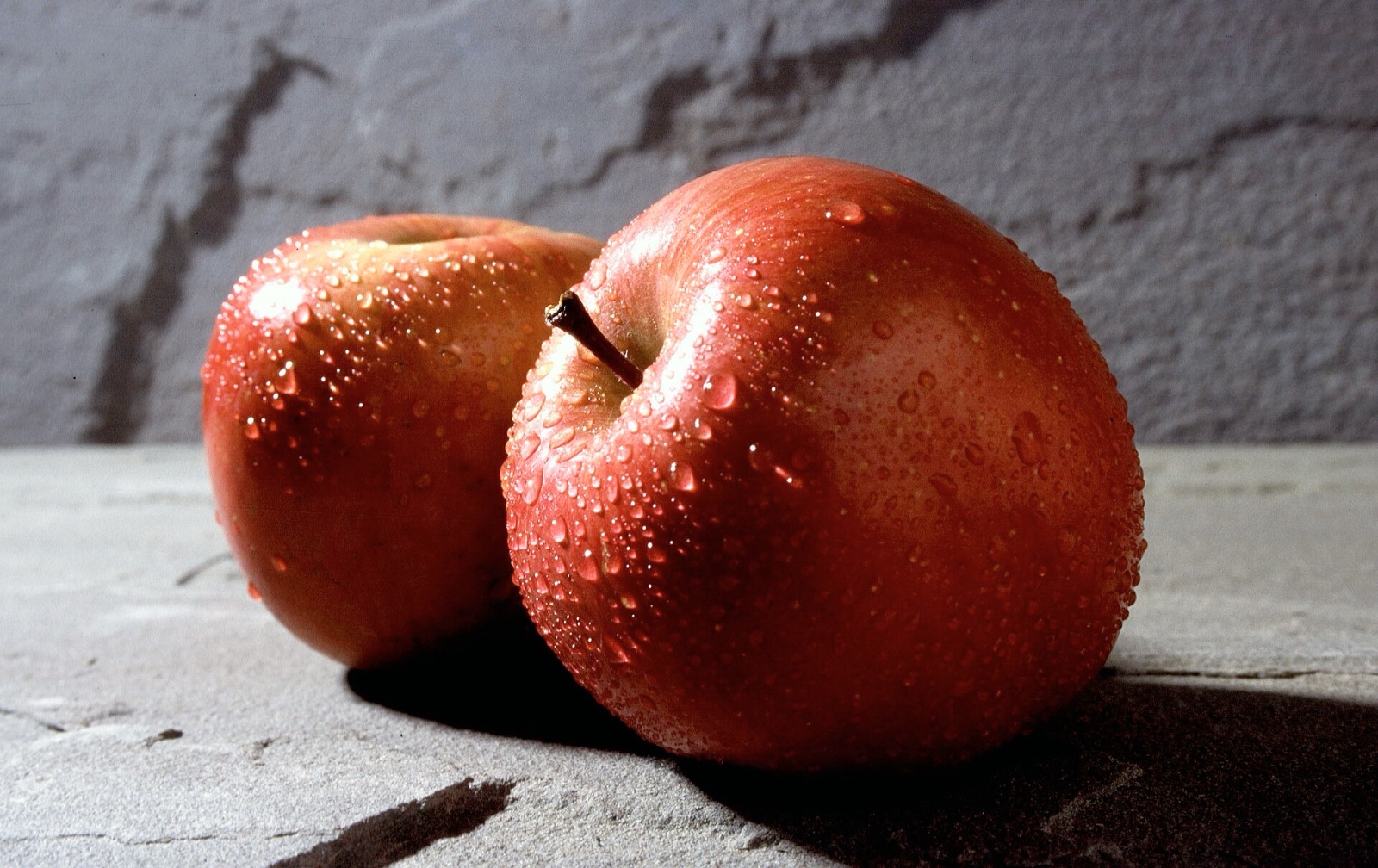
(zones 5-8)While it shines brightest as an unmatched fresh-eating apple, its dense texture makes it highly versatile in the kitchen:
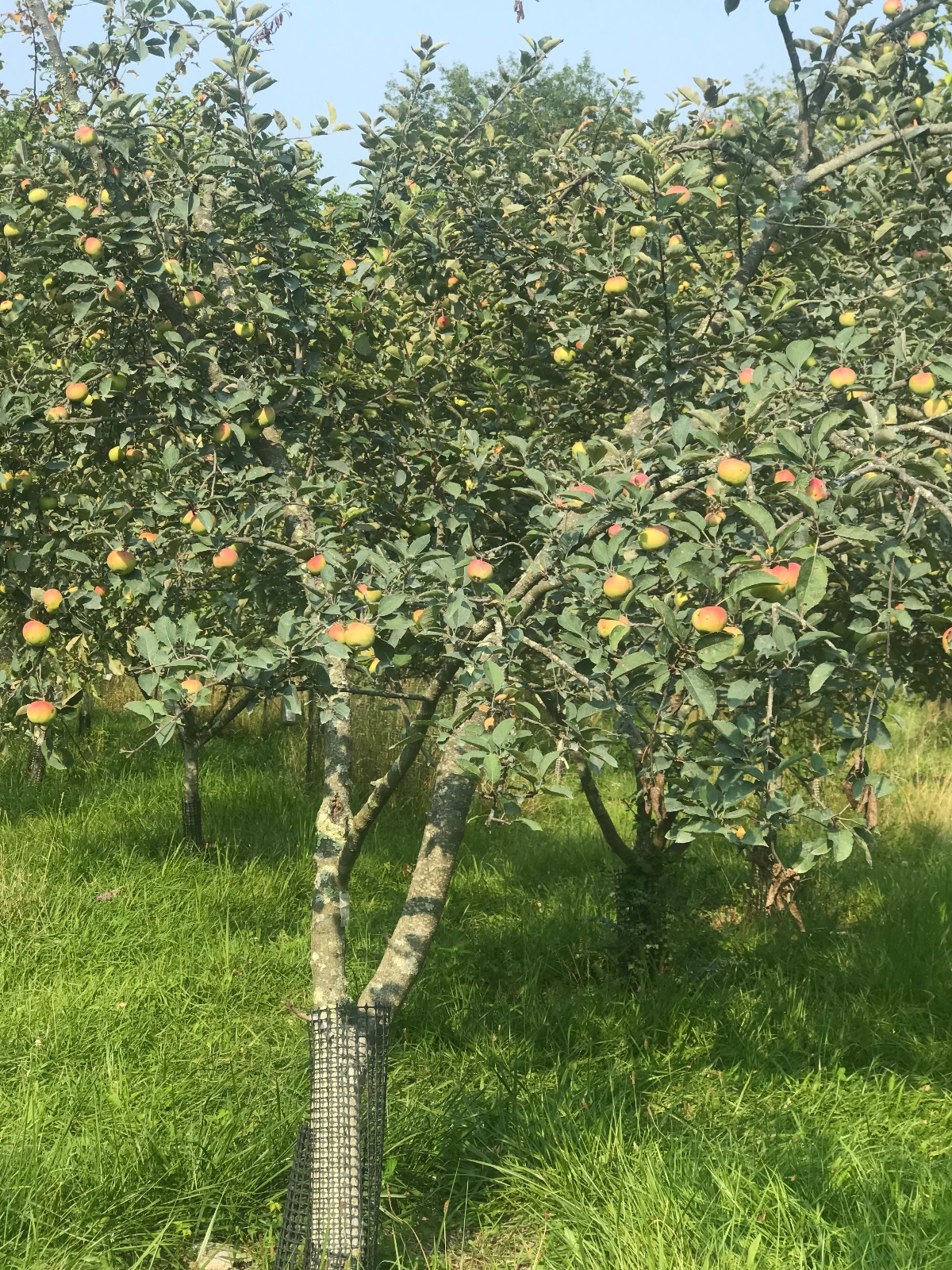
(Zones 3-8) An excellent tasting apple for fresh eating in norther climates